












Go Bigger Without Turning the Lights Off
For years, the biggest home theater experiences meant using a projector. Today, direct-view LED and MicroLED video walls give you another option, combining massive screen sizes with the brightness and impact of a premium television.
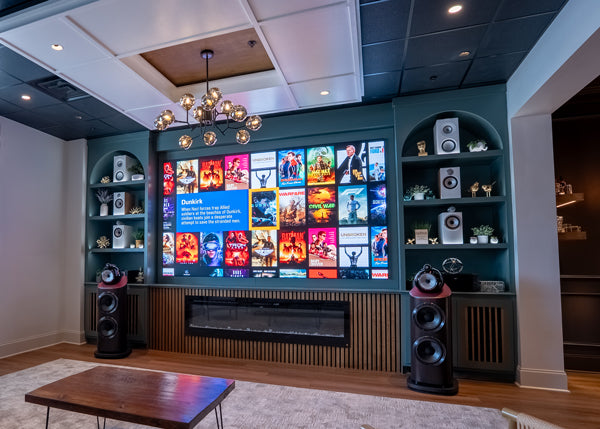
Instead of one enormous panel, a video wall is built from smaller display modules that work together as one continuous image. That allows the screen to scale far beyond a conventional TV while maintaining the brightness needed for media rooms, sports spaces, and other areas where you may not want to turn off every light or close every shade.
At this scale, the display stops feeling like a television mounted to the wall and starts becoming part of the architecture of the room.

Video Wall vs. TV vs. Projector
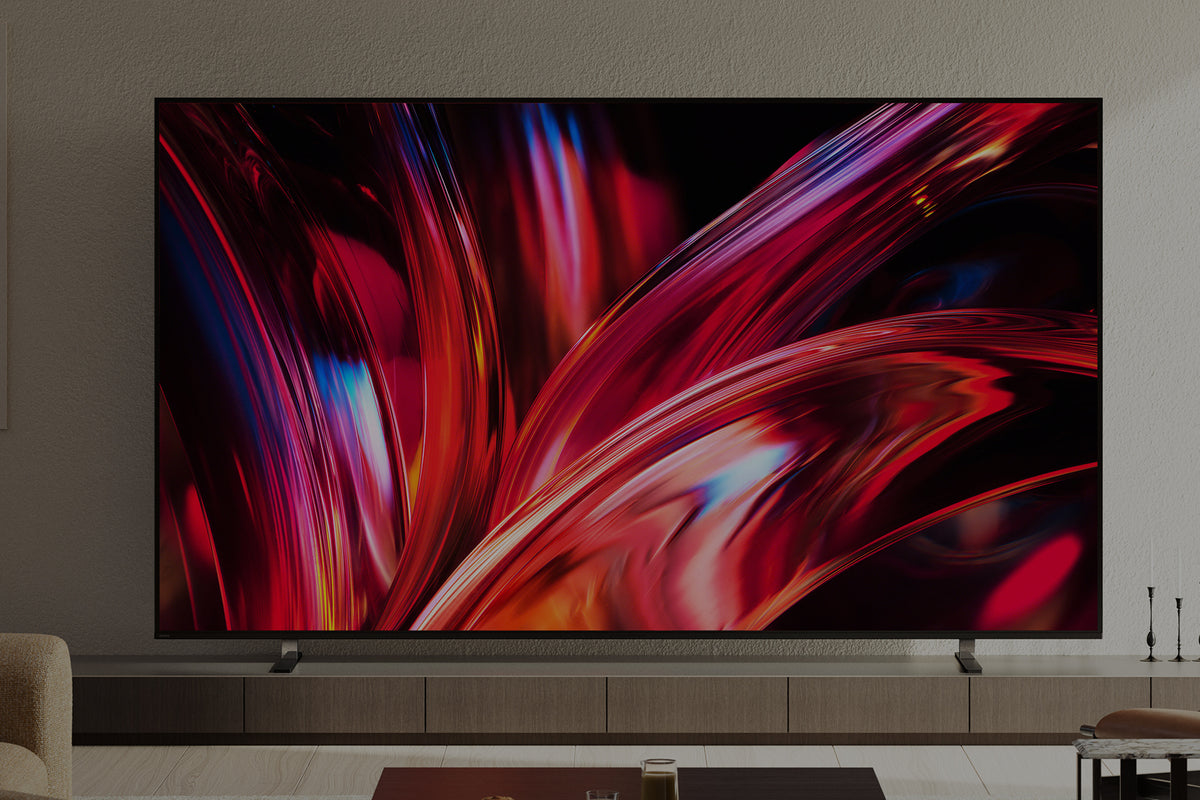
Large-Screen TV
Best for Simplicity
Premium TVs now reach 98, 100 inches, and beyond. If that is large enough for your room, a conventional TV is usually the simplest solution and can deliver outstanding picture quality with relatively straightforward installation.
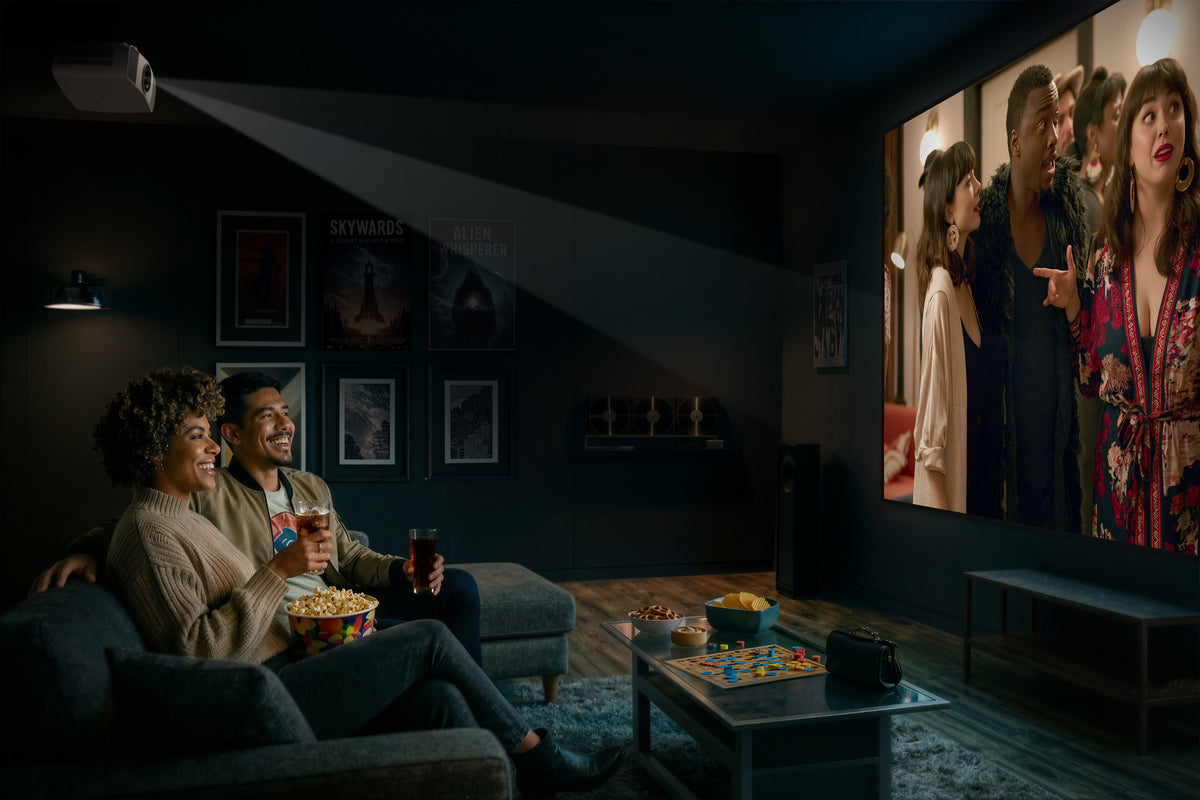
Projector
Best for the Cinematic Experience
A great projector is still one of the most cost-effective ways to create a 120-inch, 150-inch, or larger image. In a dedicated dark theater, projection also allows speakers to be placed behind an acoustically transparent screen.
Video Wall
Best for Size and Brightness
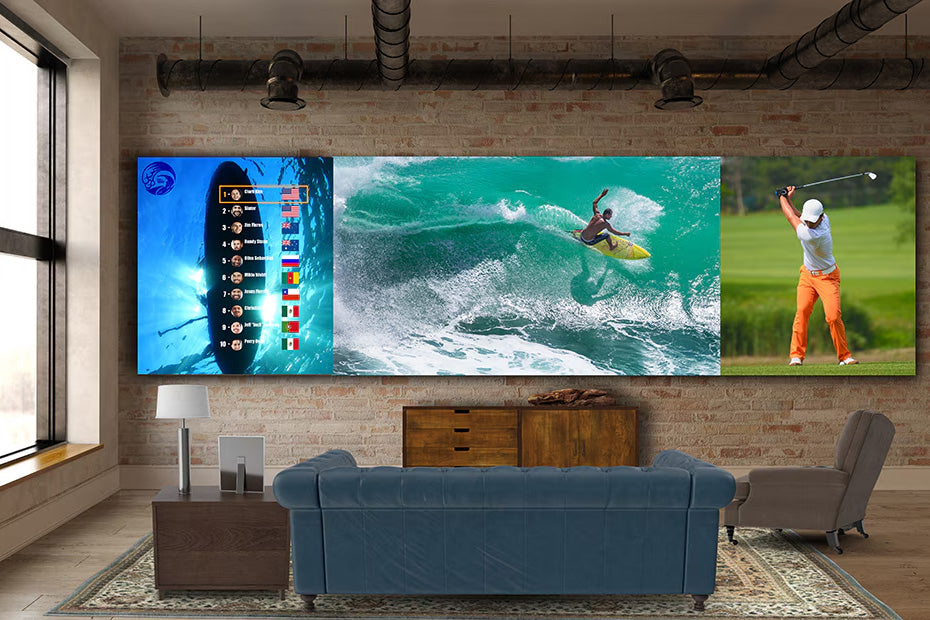
A video wall combines extremely large screen sizes with the brightness of a direct-view display. It is especially compelling in media rooms, sports spaces, and luxury entertainment rooms where you want a huge picture without completely controlling the room lighting.
There is no single winner. A dedicated theater may still be better served by projection. A family room may only need a large TV. Video walls become especially interesting when you need a very large image, excellent brightness, architectural flexibility, and great performance with the lights on.
Why Choose a Video Wall?

Bright Rooms
Direct-view LED can maintain a vibrant image in rooms where windows and ambient lighting make projection more difficult.

Massive Screen Sizes
When even the largest conventional TVs are not big enough for the room, modular video walls can scale to 200 inches and well beyond.

Sports & Multi-View
With the right video processor and sources, one large wall can display several games or video feeds at once with each one having a large image.

Custom Spaces
Because the display is modular, there is much more flexibility in screen dimensions and aspect ratio than with a conventional television.

Movies
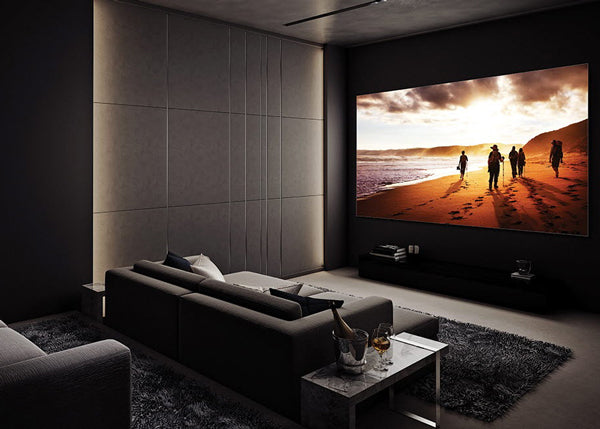
Create a cinematic image at a scale that would normally require projection.

Sports
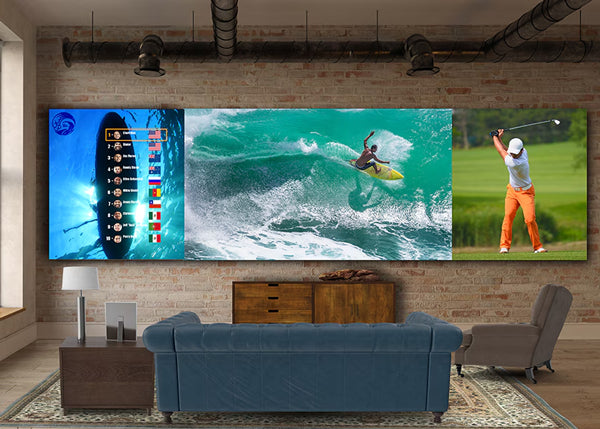
Turn one massive screen into multiple feeds for games, stats, and replays.


Gaming
Take gaming to a completely different scale with an enormous direct-view display and a system designed around your sources and performance needs.

Art
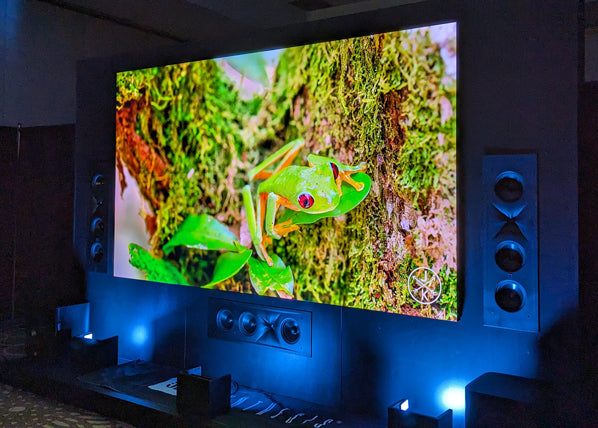
When you are not watching something, the wall can become a large-format canvas for photography, artwork, and ambient visuals.

Entertainment
Streaming, music, parties, and multiple video sources can all share the same display.
Movies
Create a cinematic image at a scale that would normally require projection.
Sports
Turn one massive screen into multiple feeds for games, stats, and replays.
Gaming
Take gaming to a completely different scale with an enormous direct-view display and a system designed around your sources and performance needs.
Art
When you are not watching something, the wall can become a large-format canvas for photography, artwork, and ambient visuals.
Entertainment
Streaming, music, parties, and multiple video sources can all share the same display.

Designed Around Your Room
Choosing a video wall is not as simple as picking a screen size.
One of the most important specifications is pixel pitch, which describes how closely the individual LED pixels are spaced. A finer pixel pitch increases pixel density and allows you to sit closer without seeing the pixel structure, but it can also significantly affect cost.
That is why we start with the room. We look at seating distance, desired image size, wall dimensions, room lighting, resolution goals, and how the space will be used before recommending a display.
Power, mounting, video processing, ventilation, service access, and construction requirements also need to be considered early. The modular design has practical advantages too. Individual cabinets and components can be serviced without replacing the entire display, and the system can be brought into spaces where moving a single 120-inch or 150-inch television may be nearly impossible.

The Picture Is Only Half the Experience
With an acoustically transparent projection screen, the center channel and even the left and right speakers can be placed directly behind the image. You cannot do that with a direct-view LED wall, so speaker placement needs to be part of the design.
Depending on the room, we may place the center channel below the display, integrate architectural speakers around it, or create a more customized layout that keeps voices and effects connected to what is happening on screen.
At Audio Advice, we design the display, speakers, seating, and room together so the finished system feels like one experience.

Designed to Be Part of Your Smart Home
A video wall this advanced should not feel complicated to use.
We can integrate the display, video sources, audio system, lighting, shades, and other room controls so everything works together. One command can turn on the wall, select a source, adjust the lighting, lower the shades, and bring the audio system to life without juggling several remotes or apps.
Why Homeowners, Builders, & Designers Trust Audio Advice
45+ Years of Experience
Decades of experience designing high-performance audio, video, home theater, and smart home systems.
In-House Design & Installation
Our team can handle the project from initial design through installation, calibration, and support.
Residential & Commercial Experience
Experience across luxury homes as well as large commercial and public spaces.
Long-Term Expert Support
We remain available after installation to support the system as technology and your needs change.

Our Video Wall Design Process

Discovery & Consultation
We learn how you use the room and what you want the finished experience to accomplish.

System Design
We determine screen size, pixel pitch, processing, audio, power, mounting, and control.

Coordination
For construction projects, we can work with your architect, builder, designer, and other trades

Installation & Calibration
Our team installs, aligns, configures, integrates, and calibrates the complete system.

Service & Support
We remain available after installation to support the system over time.
Video Wall Brands We Work With


There is no single video wall platform that is right for every project. Pixel pitch, brightness, available sizes, processing, serviceability, and price can vary substantially, so we compare the options against your room and budget before recommending a system.
Frequently Asked Questions
What is a video wall?
A video wall is a large display built from multiple display modules working together as one screen. Premium home systems increasingly use direct-view LED and MicroLED technologies and can scale far beyond conventional television sizes.
Is a video wall better than a projector?
It depends on the room. Video walls have a major brightness advantage in rooms with ambient light. Projectors remain an excellent choice for dedicated dark theaters and are usually a more cost-effective way to create an extremely large cinematic image.
Is a video wall better than a TV?
A video wall makes the most sense when you need an extremely large display, greater flexibility in screen dimensions, or a screen size beyond what makes sense with a conventional television. If a large-format TV can deliver the size and performance you want, it will usually be the simpler and more affordable solution.
What is pixel pitch?
Pixel pitch is the distance between neighboring LED pixels. A smaller pixel pitch increases pixel density and generally allows the display to look smooth and detailed from a shorter viewing distance.
How much does a home video wall cost?
There is no single price because screen size, pixel pitch, display technology, processing, mounting, construction, audio integration, and installation all affect the final cost. The best place to start is with the room and desired screen size.
See What a Video Wall Could Look Like in Your Home
It is difficult to understand the scale and impact of a high-performance video wall from a computer screen. Whether you are comparing one with a projector, designing a new home theater, or building the ultimate sports room, our team can help you determine what makes sense for your space.


