













Why Your Next TV, Receiver, or Streaming Device Might Cost More Soon


Quick answer: AI data centers are absorbing a fast-growing share of the world's memory chips and processors, the same parts used in TVs, AV receivers, streaming devices, and game consoles. That's tightening supply for everyday electronics, and manufacturers including Microsoft, Sony, Nintendo, and Apple have already raised hardware prices as a result. Samsung and SK hynix, two of the largest memory makers in the world, expect the shortage to last into 2027 and possibly beyond.
If you've noticed your favorite streaming device or gaming console creeping up in price lately, you're not imagining it, and it has nothing to do with tariffs or inflation in the usual sense. It comes down to a resource fight happening mostly out of view: chipmakers are increasingly steering their memory and processor supply toward AI data centers instead of the consumer electronics that fill your home theater.
What's Actually Happening
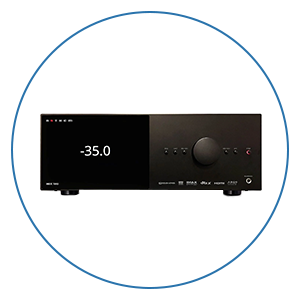
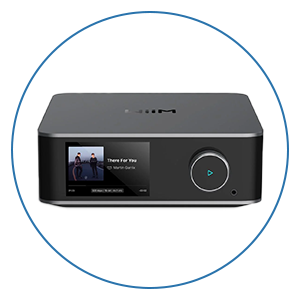
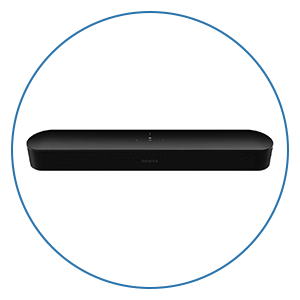
TVs, AV receivers, network streamers, soundbars, and game consoles all lean on the same small set of parts: processors, RAM, and flash storage. Those happen to be the exact components AI data centers need by the truckload, and cloud companies have the budgets to outbid just about anyone for them. When a chip manufacturer has to choose between a traditional electronics customer and an AI company willing to pay more, the AI order tends to win, and that leaves a thinner slice of standard memory for the products that end up in your living room.
The memory research firm TrendForce currently expects DRAM contract prices to climb another 13 to 18 percent in the third quarter of 2026 alone, with NAND flash rising a further 10 to 15 percent, and points to AI server demand as the main reason. Samsung and SK hynix, two of the three companies that make almost all of the world's DRAM, have separately told investors they expect the shortage to run through 2027 and possibly longer, since so much of their upcoming production is already reserved for AI customers.
Who's Already Raising Prices
This isn't just an abstract industry problem anymore. Microsoft raised Xbox prices worldwide at the start of August and was unusually blunt about the reason, saying storage and memory costs had already climbed to roughly two and a half times what they were and could double again within another year. Sony has adjusted PlayStation 5 pricing more than once over the past several months for similar reasons, and Nintendo has confirmed a coming increase on the Switch 2 as well. Apple raised prices on parts of its Mac and iPad lineup around the same time, pointing to the same rising memory and storage costs, and several major PC makers have signaled they'll need to do something similar.
Home theater gear runs on the same categories of chips, so AV receivers, streaming boxes, and smart TVs carry the same exposure even where it hasn't fully shown up in pricing yet. Higher-end gear tends to have more room to absorb the added cost before it reaches the price tag, while budget and mid-range products usually feel it first.
Why This Round Feels Different
The industry has been through a chip crunch before. Back in 2021, COVID-era factory slowdowns collided with a wave of people buying laptops, gaming consoles, and other electronics all at once, and that combination created real shortages for a while. It eventually worked itself out once factories caught up and the surge in demand cooled off.
This one is shaping up differently because the demand behind it isn't a temporary spike, it's a permanent shift in who's willing to pay the most for chips. AI infrastructure spending shows no sign of slowing, and the companies funding it can keep outbidding traditional electronics makers for the same limited manufacturing capacity. That's the core reason Samsung and SK hynix are both talking about 2027 and beyond instead of a quick fix in the next quarter or two.
What This Means If You're Planning an Upgrade
If you've been putting off a receiver, TV, or streaming upgrade in hopes that prices will come down, it may be worth reconsidering that plan. Rather than the usual pattern where electronics get cheaper as they age, a lot of current gear is more likely to hold its price or get more expensive the longer it stays on the market.
That doesn't mean you need to rush into a purchase you're not ready for, but if you already have a system upgrade on your list for this year, buying sooner rather than later is a reasonable way to avoid paying more for the same thing later. If you're weighing options for a new AV receiver, our Best AV Receivers for Home Theater guide is a good place to start.
The Audio Advice Take
We don't love passing along price increases any more than you like seeing them, but this one is worth understanding instead of just shrugging off. It's not a single company being greedy, it's a genuine supply and demand shift caused by how much of the world's chip production AI now soaks up. Our advice is simple: if there's a piece of gear on your list already, don't assume waiting will save you money this time around.
Frequently Asked Questions
Is this the same as the 2021 chip shortage?
Not really. The 2021 shortage came from pandemic factory slowdowns and a short-term surge in demand, and it eased once supply chains caught up. This round is being driven by AI companies permanently outbidding everyone else for chip supply, which is a different kind of problem with a much longer timeline.
Which products are most affected?
Anything built around standard memory chips and processors, including TVs, AV receivers, streaming devices, soundbars, and game consoles. Higher-end gear can sometimes absorb rising costs longer than budget and mid-range products.
Will prices go back down?
Samsung and SK hynix, two of the biggest memory manufacturers in the world, have both pointed to 2027 as the earliest realistic relief, with some warning it could stretch beyond that. There's no firm timeline for when, or if, prices fully return to where they were.
Should I buy now or wait?
If you already have an upgrade planned, buying sooner rather than later is generally the safer bet in this environment, since waiting is more likely to cost you more than save you money.
We're Here to Help
If you have questions about upgrading your system before prices climb further, our team is here for it. Chat, call, or visit one of our showrooms and we'll help you find the right gear for your room and your budget.
When you buy from Audio Advice, you're buying from a trusted seller since 1978, backed by our Price Guarantee, Free Shipping, and Lifetime Expert Support.


