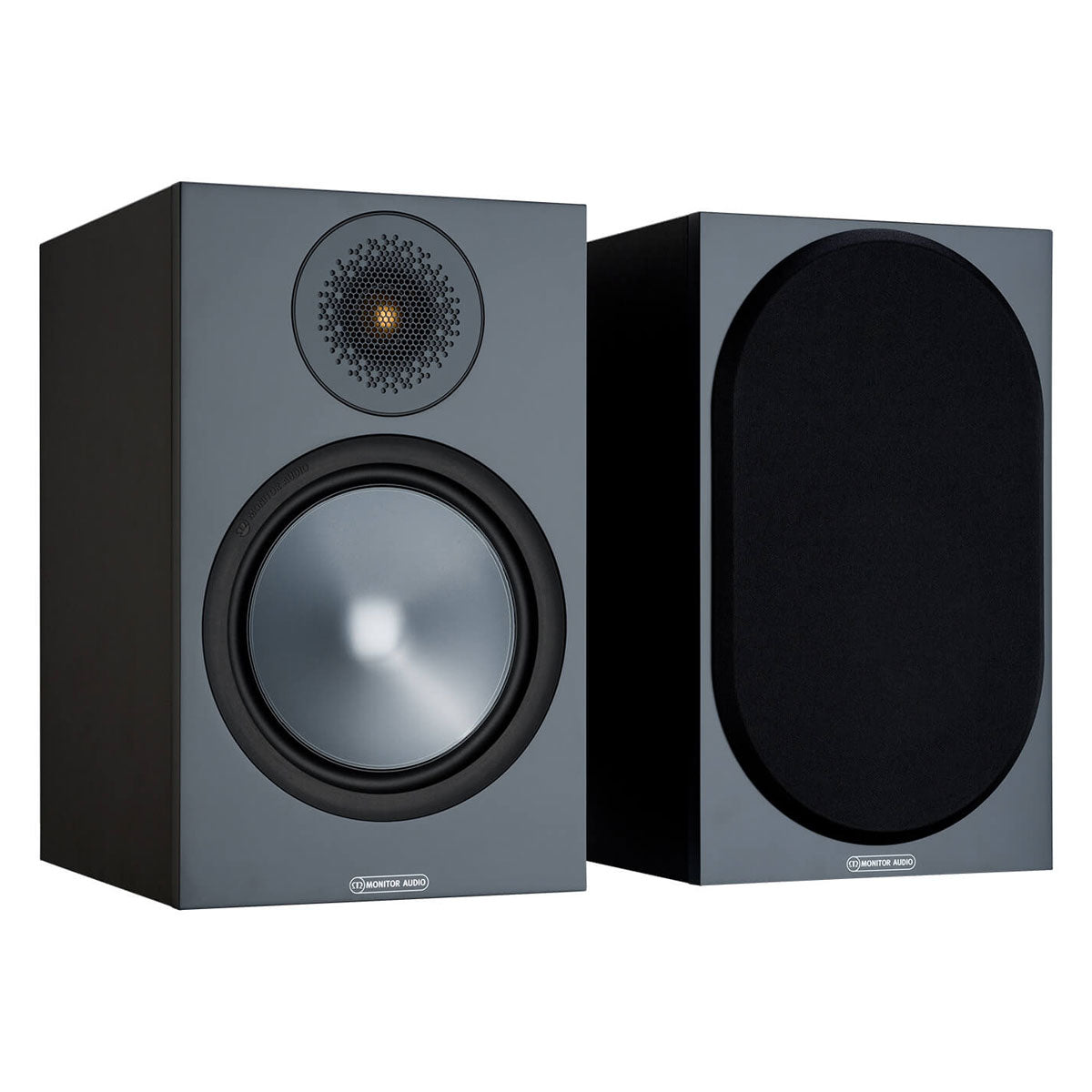
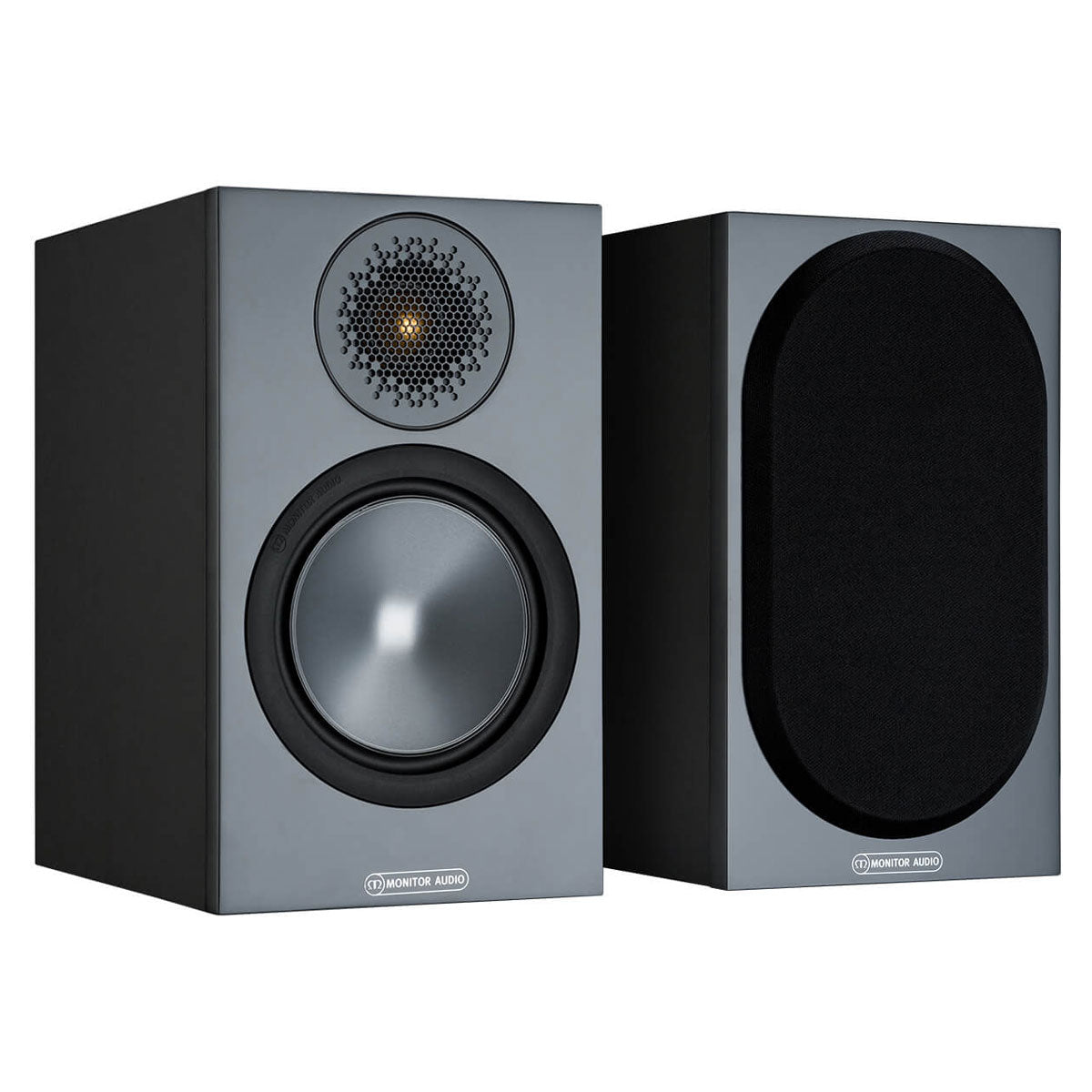
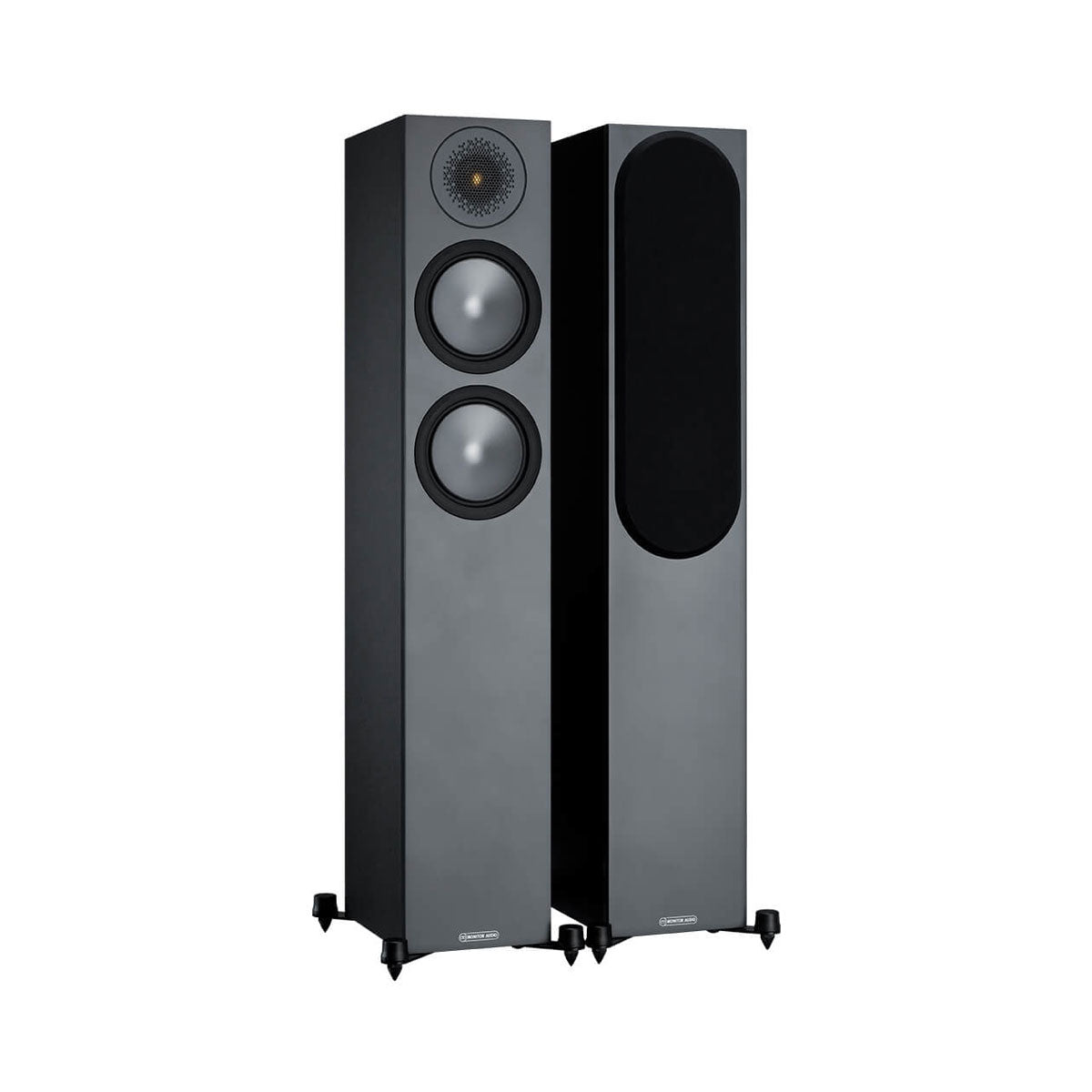
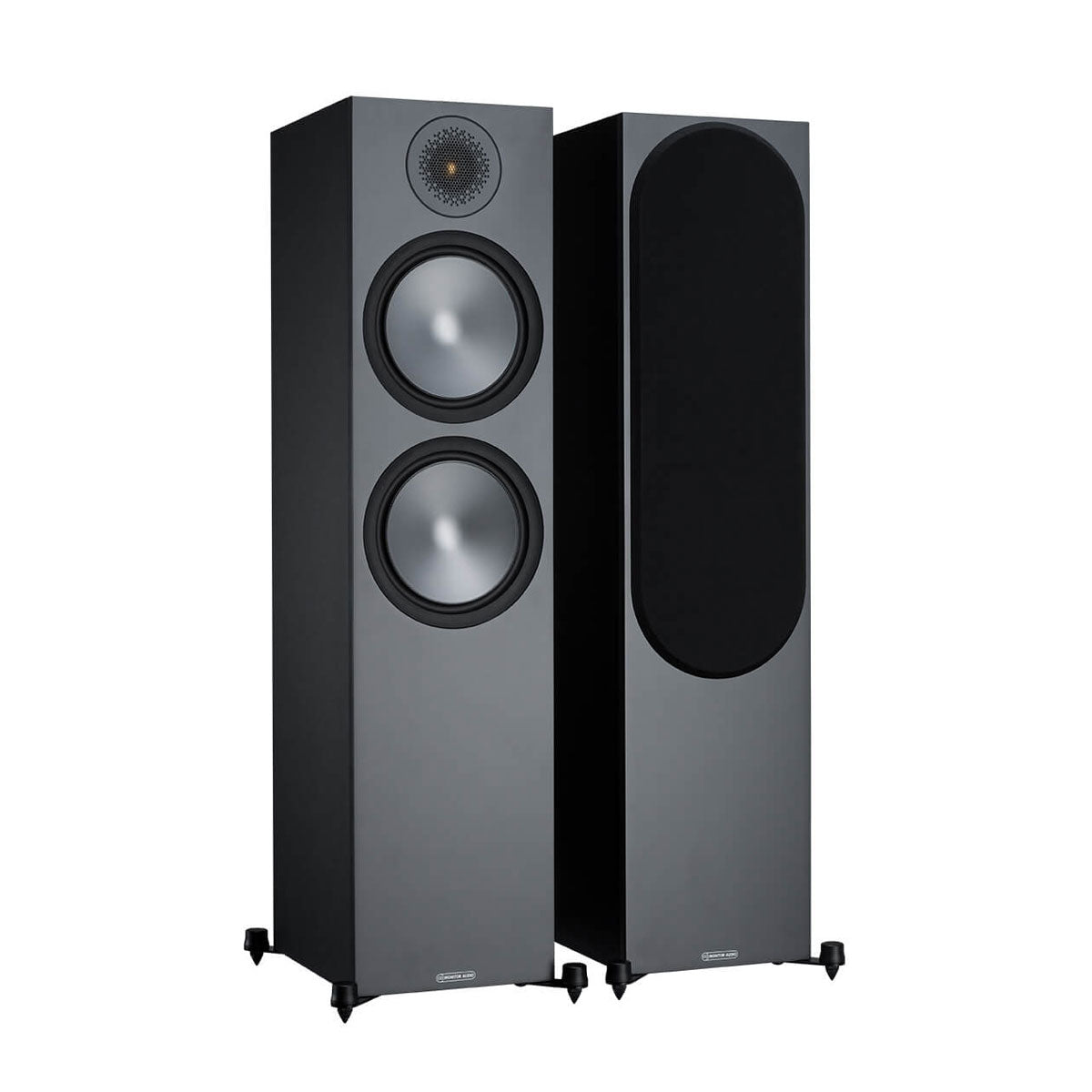
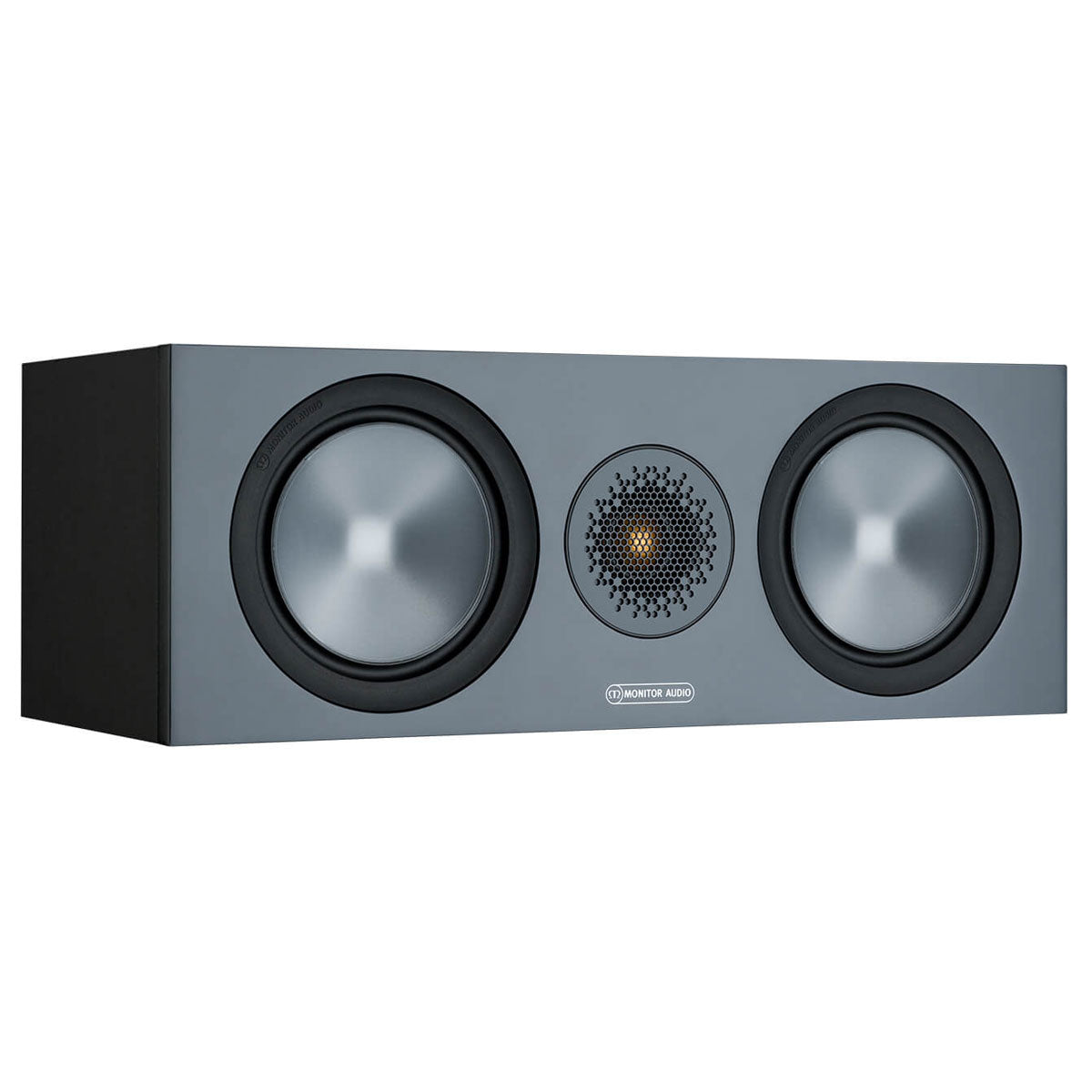
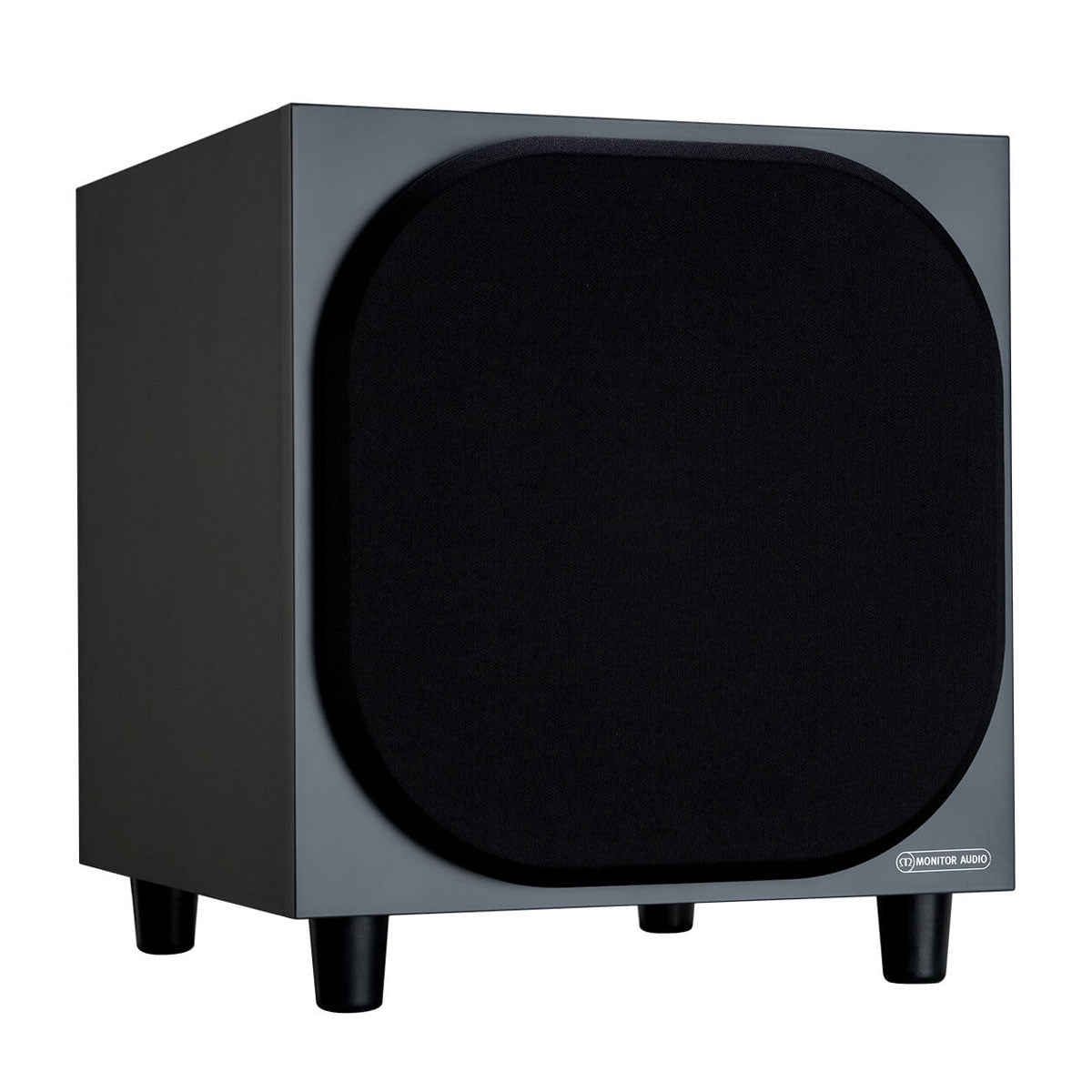
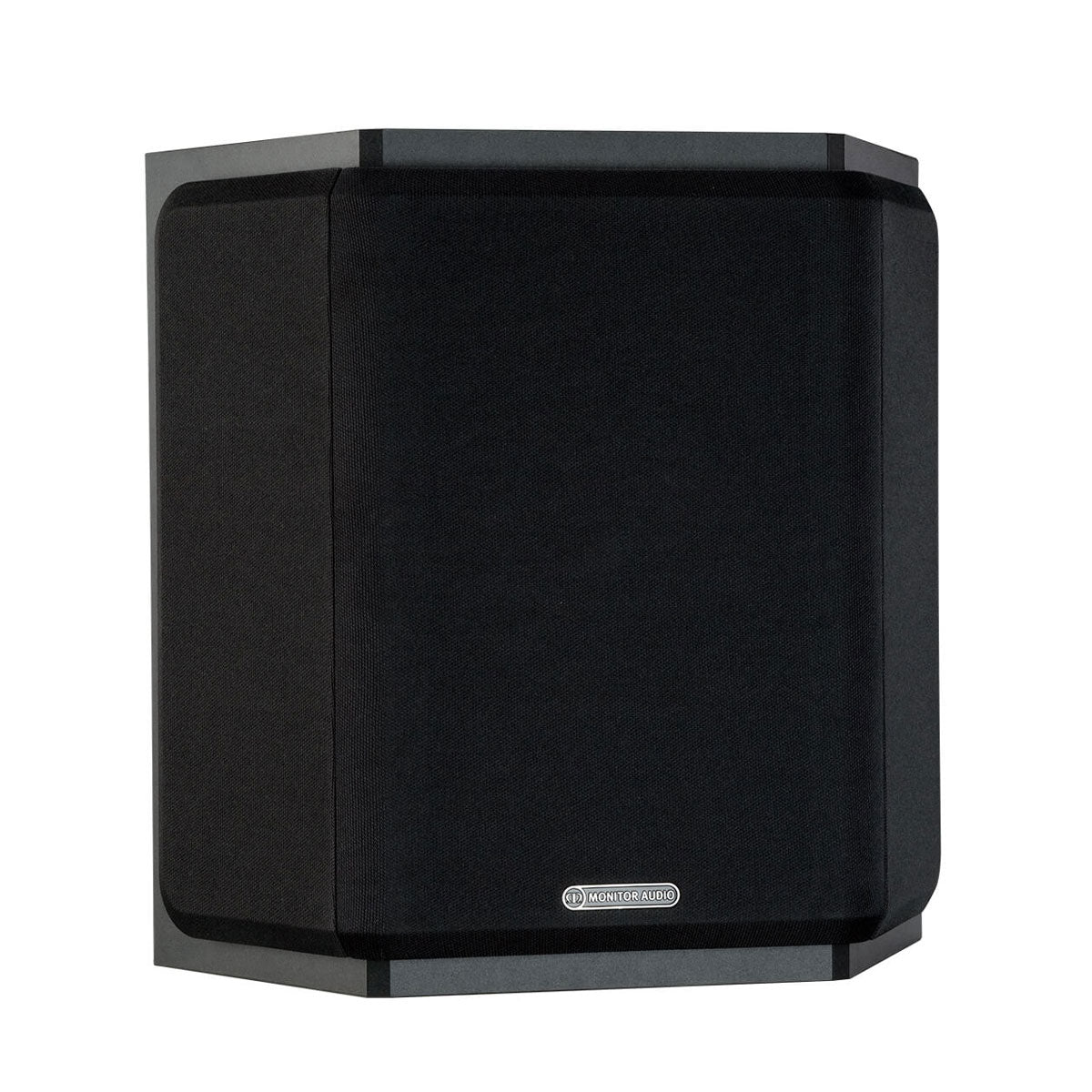
The new tech in Monitor Audio’s upgradedUniform Dispersion (UD) Waveguide II, combined with their C-CAM tweeter has some great advantages. You get less of a drop-off in high-frequency response as you move off-axis, which widens the sweet spot, giving you a big image for more than one listener. The way the waveguide is designed pushes the tweeter further back into the cabinet, providing a side benefit of improving time alignment as its voice coil is closer to the midrange/woofer voice coil.
In our testing of the Bronze 100 Bookshelf Speakers and Bronze 200 Floorstanding Speakers, we found it to have a huge soundstage where the speakers totally disappeared, proving the points Monitor Audio makes about this new tweeter design.
C-CAM Mid-Bass Drivers
Just like the tweeter, this tech is extended to the midrange-bass drivers. C-CAM was originally developed for the aerospace industry for jet engine components. It has great resistance to bending stress.
Monitor Audio improved the shape of the driver to reduce cone breakup. This reduced both coloration and distortion.
Finally, the driver itself just looks super cool, which is one of the many reasons we think they look best with the grills off.
High-Performance Cabinet Design
Many speakers in this class are made of thin material with little internal bracing. The Bronze series has some serious cabinets. The front baffle is almost 1” thick giving the drivers a very solid surface. The rest of the cabinet is over ½” thick with lots of internal braces to add rigidity.
Like many speaker companies, Monitor has spent a lot of time developing a port that reduces noise. A port is basically a hole in a speaker that helps improve bass response, but done wrong, can add noise. Monitor calls their port HiVe II. The smooth airflow they get from this improves the transient response of the bass drivers and gives them tighter bass.
Another thing that really impresses us is how Monitor bolts the drivers to the rear of the cabinet. We have seen this on far more expensive models, but never in this price range. If you look at the rear of their speakers, you’ll see one or more round black bolts. This connects the mid-bass driver with a rod to the rear of the speaker. The tweeter housing also gets the same type of treatment. For the woofers, this reduces the energy that might be transmitted to the cabinet walls, thus greatly reducing resonance and giving the tweeter a more solid mount, pretty neat.
When you see the cabinets in person, you’ll observe a fantastic finish on them.
High-Quality Crossovers
A speaker’s crossover is always hidden inside the speaker and is a place some companies cut costs as you never see it. The purpose of a crossover is to send the various frequencies to the right drivers. When you look at the quality of component parts Monitor uses, it's like what you would see inside a high-end amplifier. They use polyester film and electrolytic capacitors with air-core and low-loss laminated steel-core inductors.
Bi-wiring
At Audio Advice we have promoted bi-wiring for decades. It costs more to add to a speaker but does improve performance if you use bi-wire cables. To learn more about bi-wiring, we have a full article explaining bi-wiring and bi-amping. Even the entry-level Bronze 50 is set up to be bi-wired which is just great.