Top Turntable Mistakes and How to Fix Them

youtube cover image
Play

The vinyl resurgence is still in full swing, with more people jumping into or back into the wonderful world of vinyl every day. There is just nothing like holding an album cover in your hand and sitting down to enjoy the rich sound vinyl can offer.

In the heyday of vinyl, back in the '60s and '70s, everyone purchased their turntable from a local shop, where they were typically given good instructions on how to get the most out of their turntable and how to properly set it up. We still do this for our local and online customers at Audio Advice, but with there being so many ways now to acquire a turntable, not everyone gets that critical information.

In this article, we are going to talk about the most common mistakes people make when setting up a turntable and caring for their vinyl collection. Turntables can offer great sound, but they are a little more sensitive than something like a CD player. The good news is, with a little knowledge, all of these mistakes are easy to avoid. So let’s dive in and take a look at the ones we have seen the most often.

For those of you new to this, we are going to be talking a lot about the stylus and cartridge. Some people might refer to this as the needle. The cartridge is the small component on the end of your tonearm that plays the record. Protruding from the bottom of your cartridge is a very small shaft with a diamond tip on the end of it. This part is referred to as the stylus.

Turntable cartridge
Turntable Stylus Close up

Mistake #1: Location

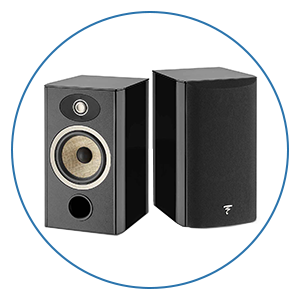
A turntable is more like a musical instrument than most pieces of audio gear. The stylus or needle is tracing tiny grooves and taking that mechanical movement to generate an electrical signal. This means, any movement the turntable sees other than those in the grooves can spell trouble. You may have experienced turntable feedback at some point. This is when your speakers or subwoofer are too close to your turntable, and it starts picking up those vibrations as well. These get transmitted back to the speaker system, and you have this horrible feedback loop.

The other potential location issue is electrical-related. Some phono cartridges are susceptible to picking up electrical noise from other components that are nearby. And AC power cords can sometimes add noise to the signal. Both of these usually show up as a low-level hum that is constant.


The Fix

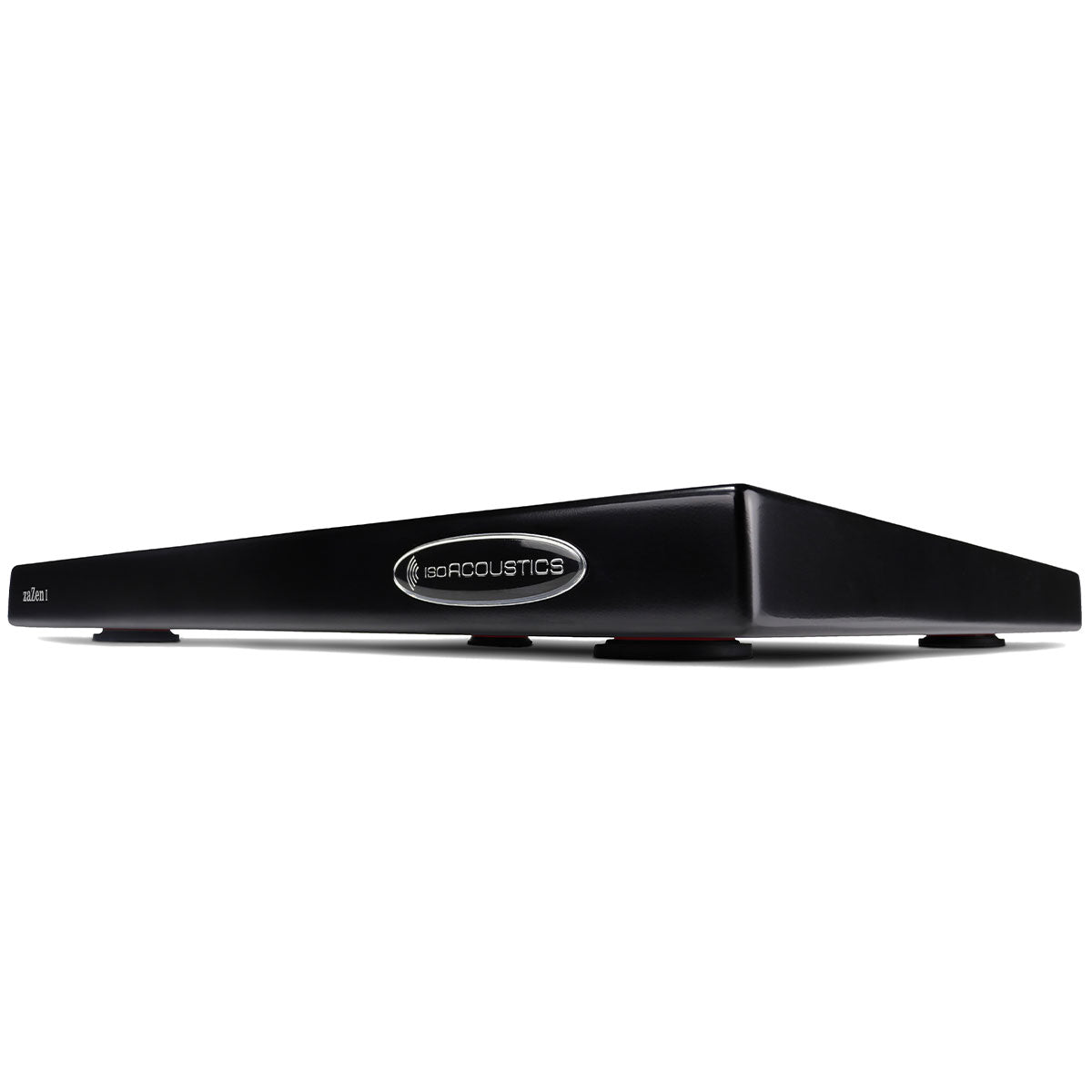
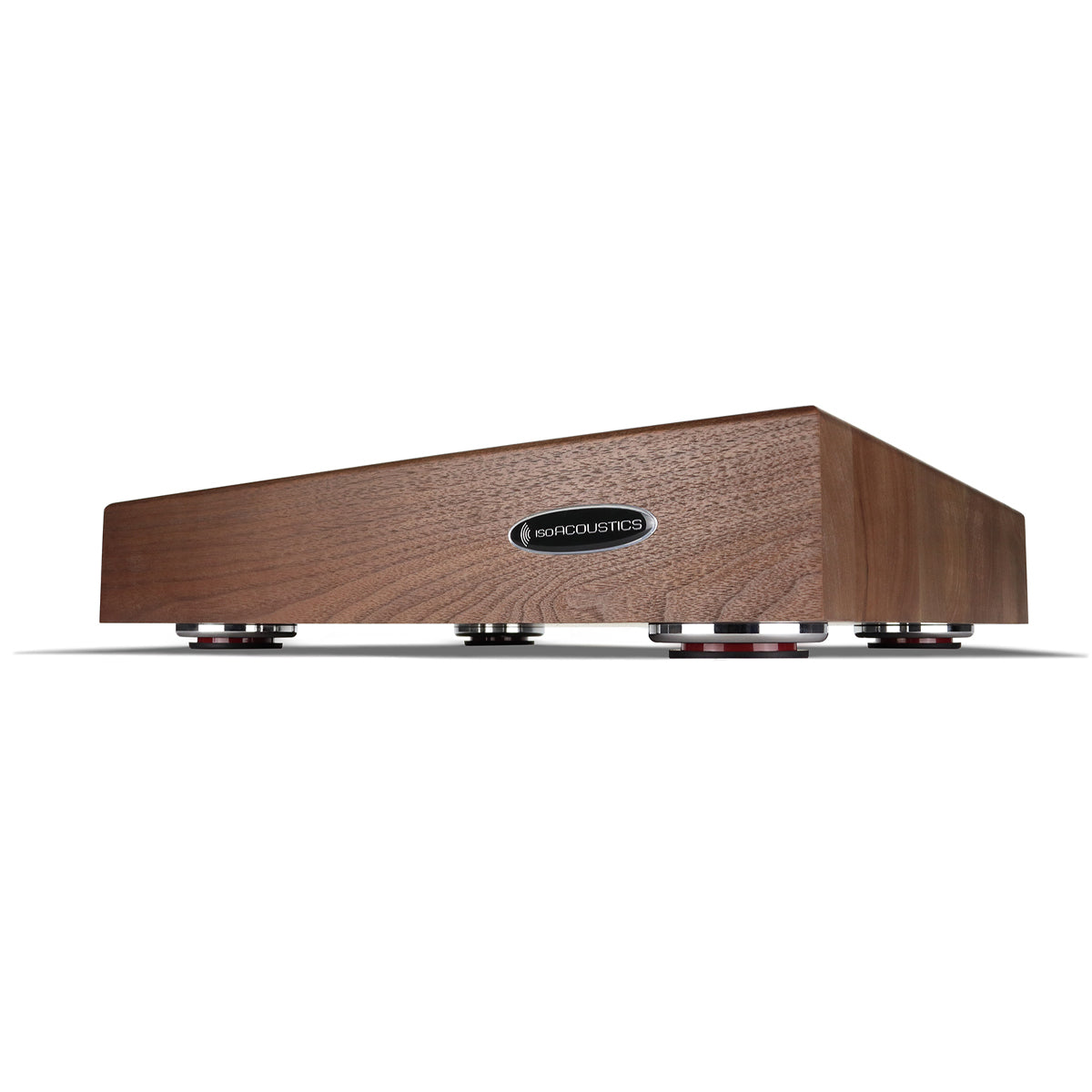
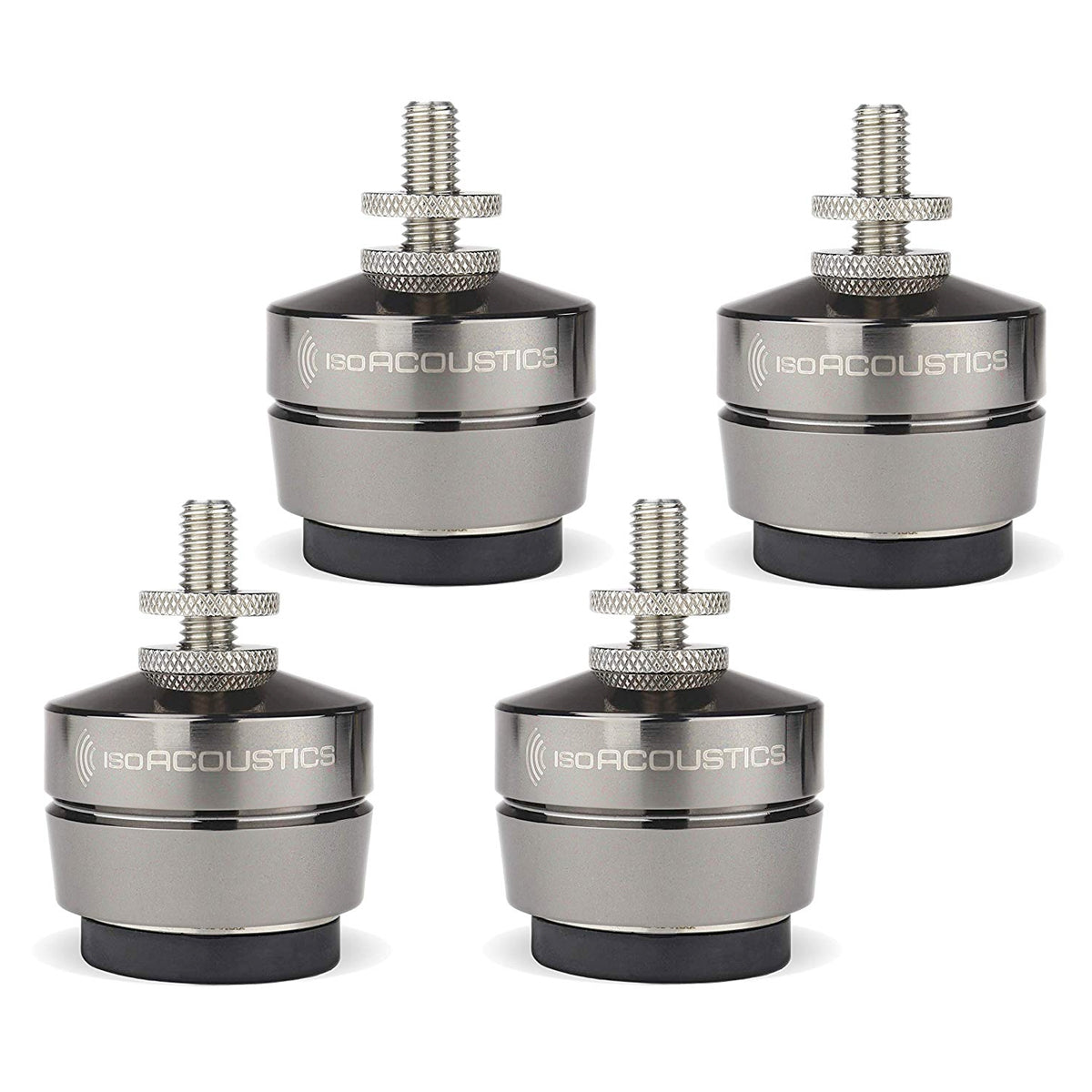
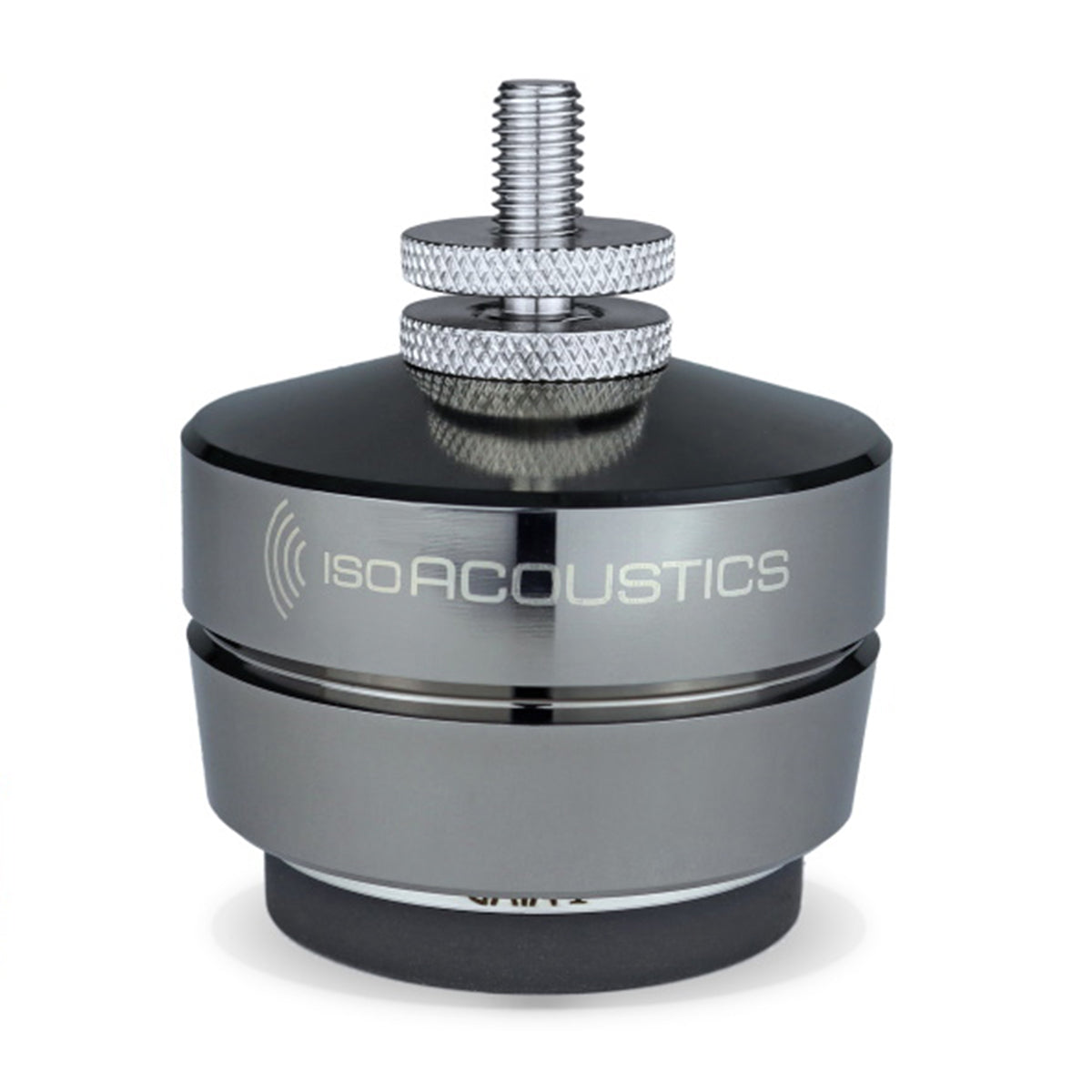
To eliminate feedback, you should always try to position your turntable far away from your speakers. Even a few feet usually does the trick. If you must position your speakers and turntable on the same shelf or are still having feedback problems, there are aftermarket isolation platforms you can purchase for your turntable. Another option is to try speaker isolation feet if your turntable has to be on the same shelf as your speakers.

For electrically generated hum, a great way to track it down is to use headphones. Place your stylus on a record surface, but do not start the record. Then turn up the volume a little to see if you hear any hum. If you hear hum, your turntable could be either too close to another component, or an AC power cord might be too close to the audio cables coming out of the turntable. Many vintage components emit a hum field, so you might have to experiment with the placement of your gear to remove hum. And remember, AC cables should never run parallel to your audio cables.


Mistake #2: Turntable Is Not Level

To perform properly, your turntable should be level. This one is pretty straightforward.


The Fix

If your turntable has adjustable feet, get yourself a good bubble level and adjust the feet until your turntable is level. If the feet are not adjustable, there are turntable bases that also help with isolation with adjustable feet.


Mistake #3: Dirt & Grime on Your Stylus

We can’t tell you how many times someone has brought a turntable into one of our stores complaining of terrible sound. The first thing we do is take a close look at the stylus. About 99% of the time, the tip of the stylus is covered in gunk. All of that dirt and grime keep the stylus from picking up almost any information in the record grooves, and all you hear is a lot of distortion.


The Fix

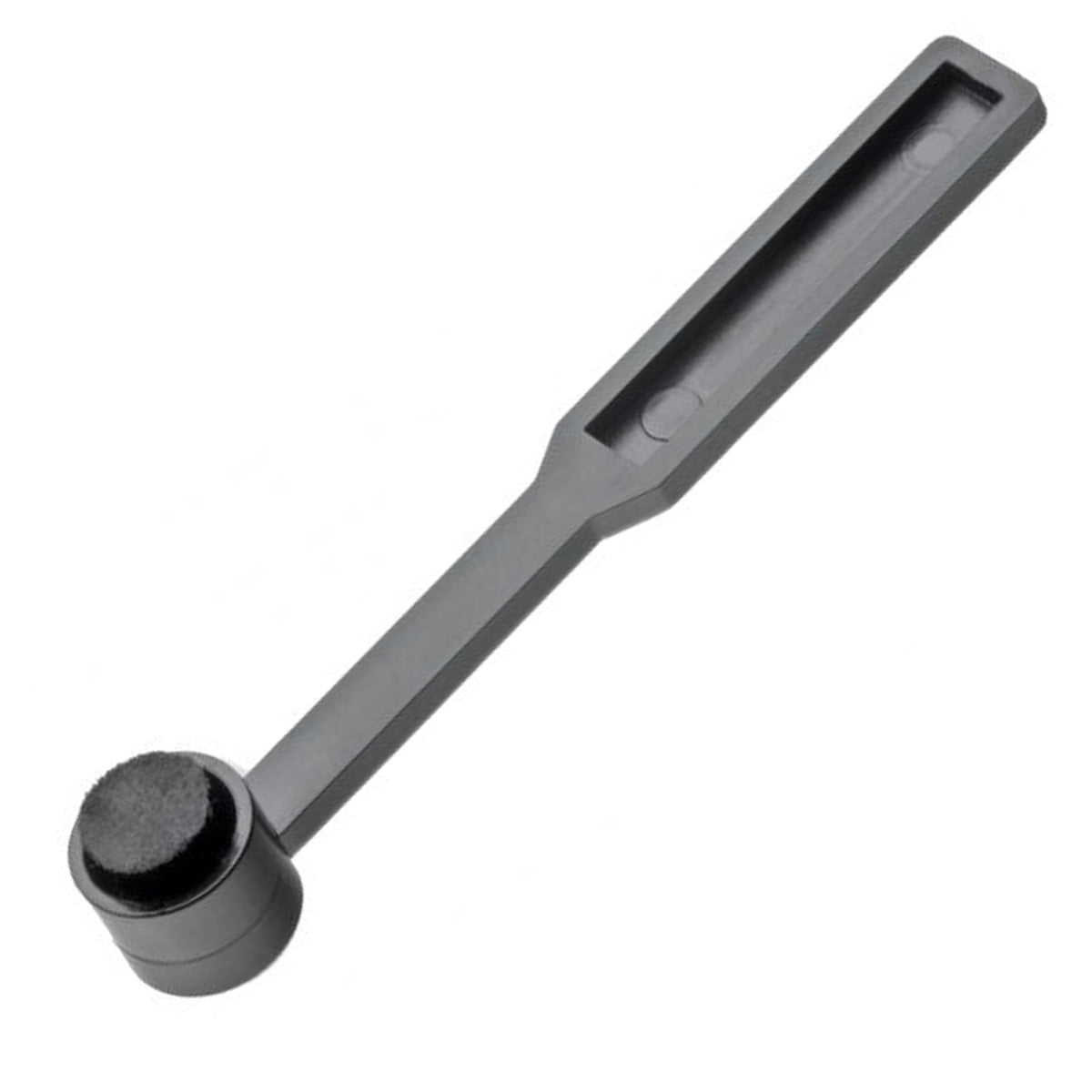
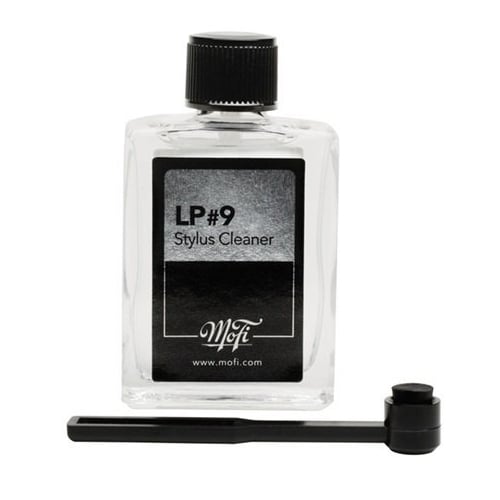
Usually, a quick clean with a liquid stylus cleaner will bring things back to life. However, the underlying cause should still be fixed. It usually comes from one or two things. Even records that look okay to the eye will have some dirt buried down in those grooves. Over time, this builds up on your stylus tip. So it's a good idea to clean your stylus every record or two. We like to just use a dry brush after every record or a wet cleaner if we let it go and get some buildup. These are some of our favorite stylus cleaners.

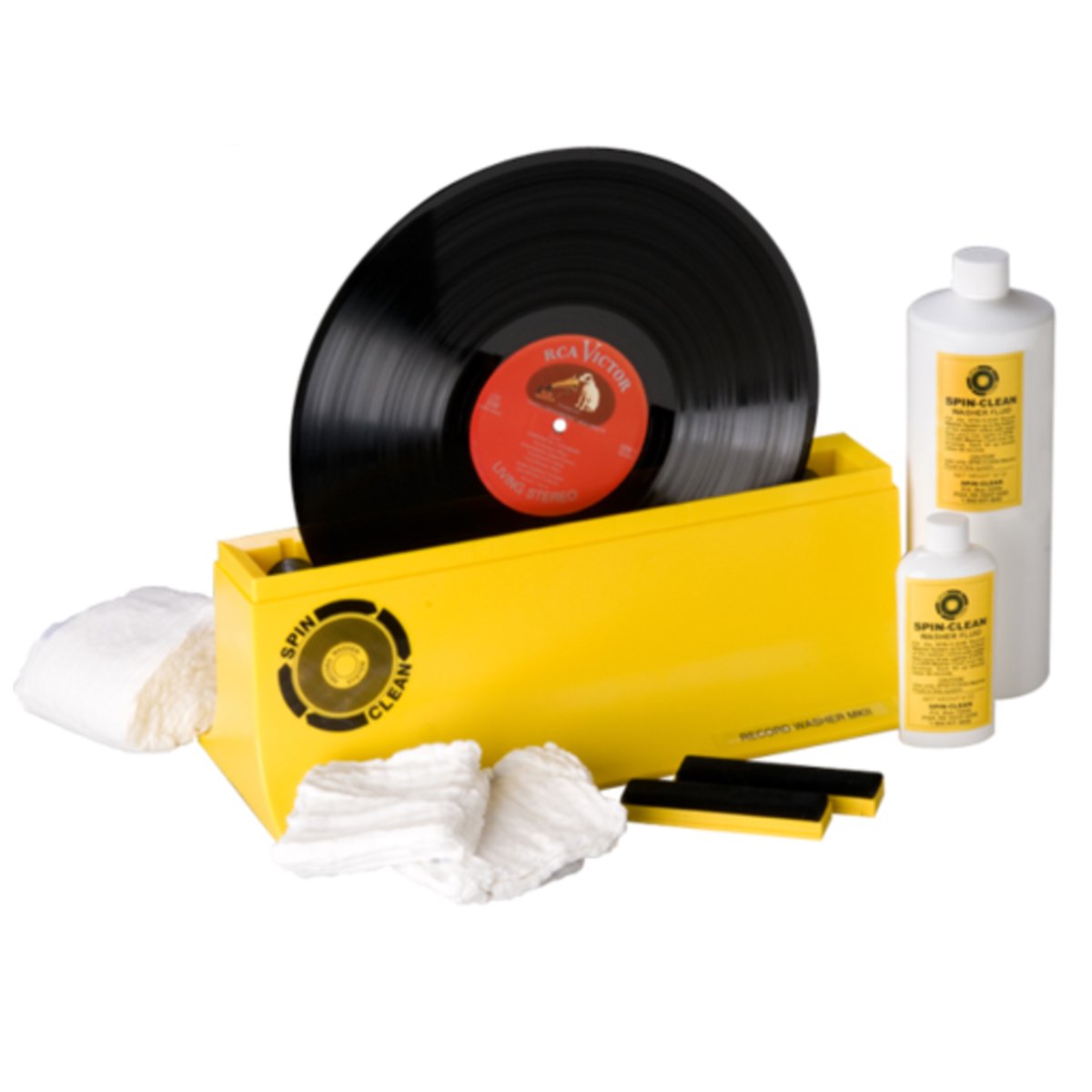
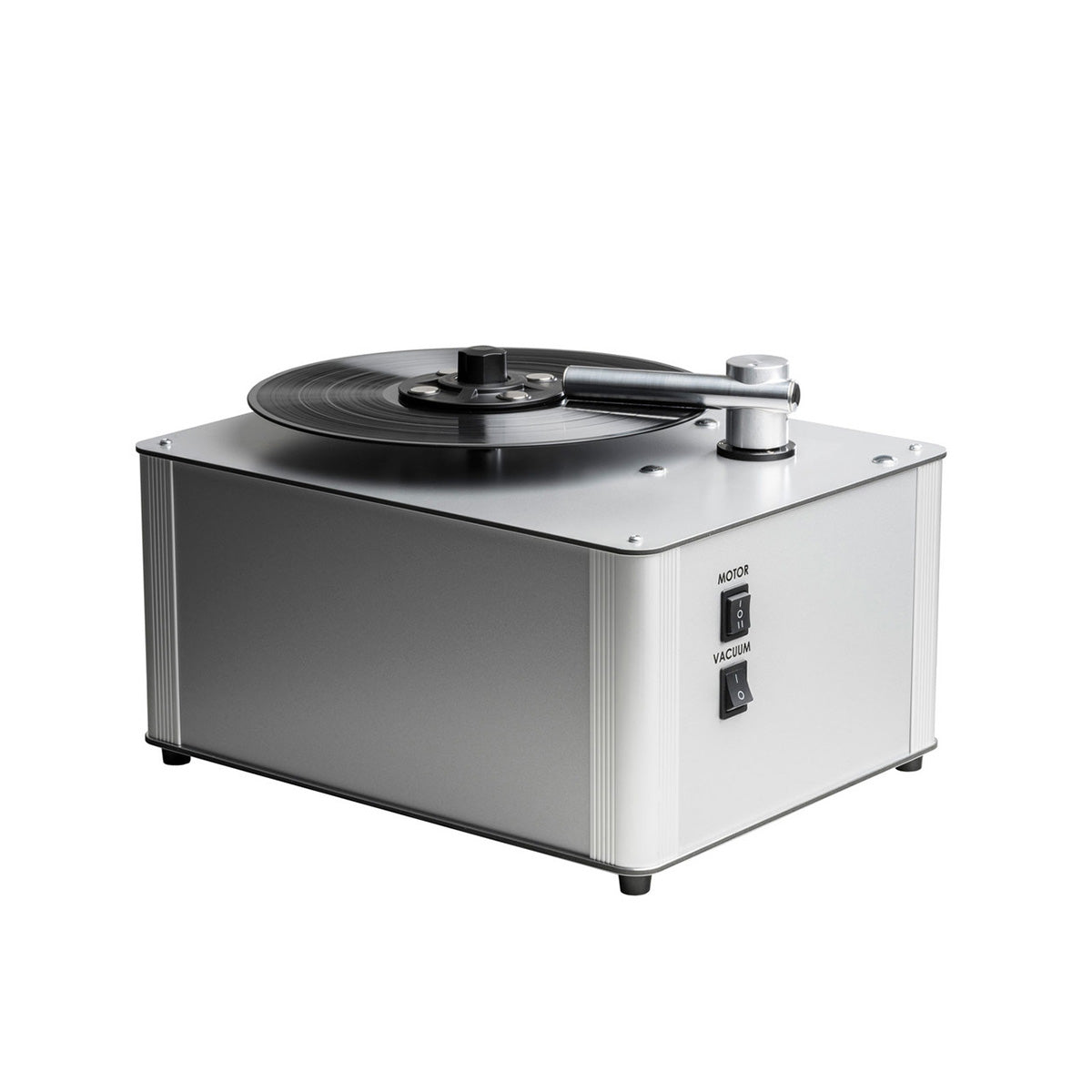
The other cause is playing dirty records. There are all kinds of record cleaners on the market, from simple brushes to wet cleaners. We prefer to use a wet cleaner when we first purchase a record, especially if it is used, then use a basic anti-static brush for daily cleaning. We have a video on wet cleaners. Keeping your records clean will not only prevent your stylus from getting gunked up, but also help them sound a lot better with reduced clicks and pops and more clarity.

Mistake #4: Cables Too Long

The signal generated by your phono cartridge is extremely low in output compared to other pieces of audio and video gear. This is why the cables that come with turntables are usually 3’ or less in total length. However, we see a lot of people use longer cables so they can locate their turntable in a more suitable position. This can lead to a much weaker signal and/or the cables introducing a lot of noise or hum.


The Fix

If you must position your turntable a long distance from your other gear, there are two ways to make things work out okay. The first would be to choose a turntable that has a built-in phono preamp. The signal coming out of the phono preamp is at the same level as a CD player or streamer and will be okay going down a long cable.

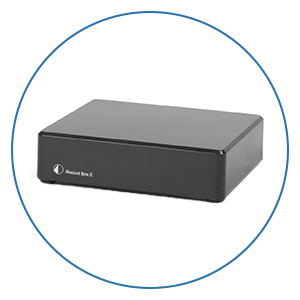
If you already have a turntable or have a higher-end turntable that does not have a phono preamp built in, your best bet is to use a small outboard phono preamp you can position behind or near your turntable. This will keep the critical signal path short to the phono preamp, and the cable coming out of it can be long. At Audio Advice, we have a wide range of phono preamps to choose from. You can reach out to us to discuss which might be best for your system.

Mistake #5: Improper Tracking Force

Most turntables have a way to adjust the tracking force. Tracking force is a measure of the downward pressure your phono cartridge is putting on the record. The force can be changed by adjusting either a dial or a counterweight on your tonearm. Many people come up with a logic that the lighter the tracking force, the less wear will occur on their records. But in fact, it is the exact opposite. You want the stylus of your phono cartridge to sit all the way down in the record groove. Tracking too lightly can cause it to bounce around, actually increasing record and stylus wear.


The Fix

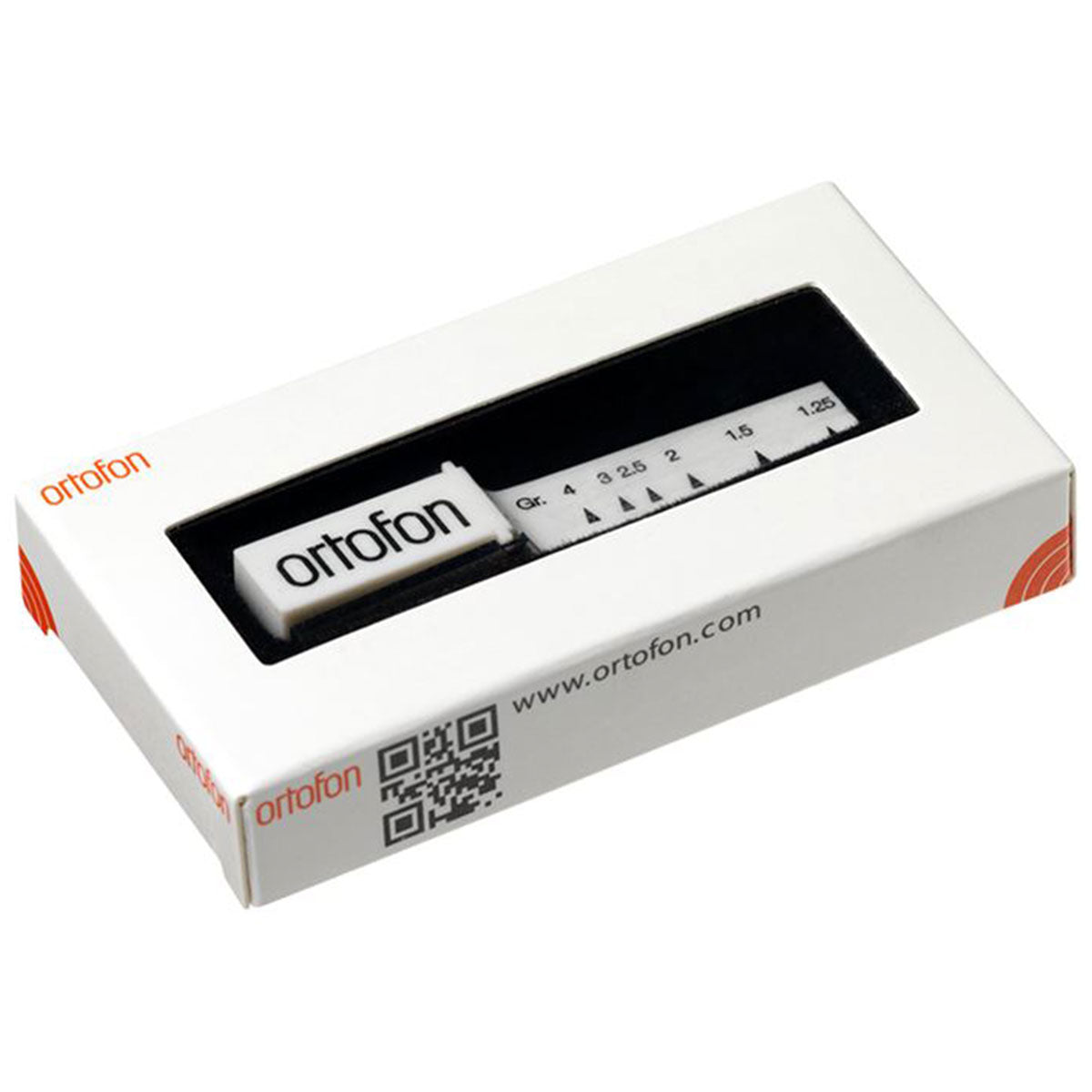
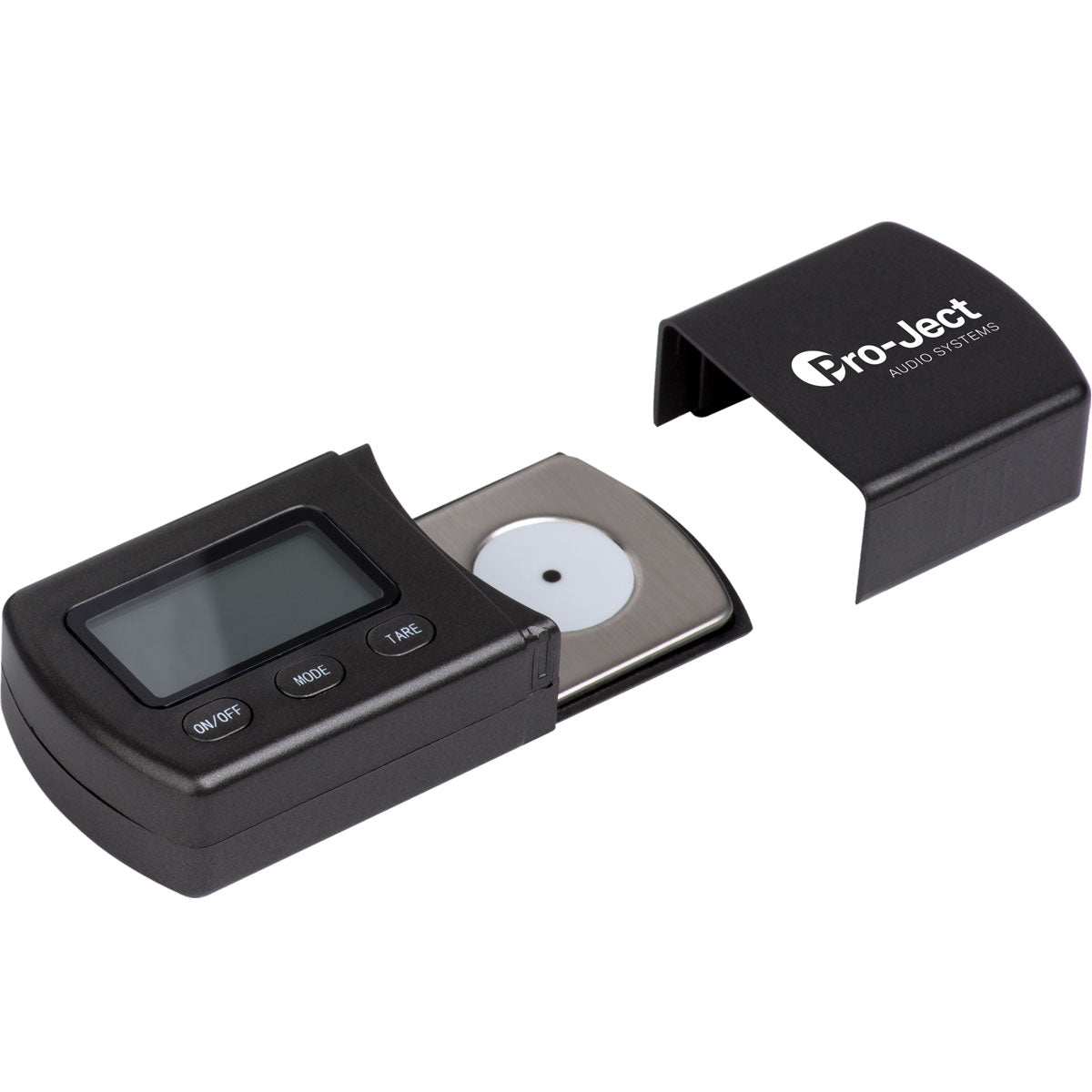
Simply use the tracking force recommended for your cartridge. If it has a range, we have found, based on decades of experience, that the heavier end of the range usually sounds the best. If you want to confirm your turntable is set to the correct tracking force, there are stylus pressure gauges you can purchase which are easy to use.

Mistake #6: Mishandling Your Records

If you’ve gotten this far, you have probably learned that dirt and grime are the enemy of good sound when it comes to vinyl records. To keep your records as clean as possible there is a right way to handle them. We cringe when we see so many people just grab a record like it's a frisbee, getting the oils and grime from their fingers all over the grooves. Another thing that makes us wince is when we see people talking to their records after they have pulled it out of the sleeve. They may be holding it properly, but are telling a friend all about the music before they place the record on their turntable.


The Fix

Learn to pull your records out of their sleeves without touching the surface of the record. There is a way to just pull it out and hold it by the edge of one hand while holding the record label with the other hand. Just practice with an old record, and in no time, you will be a pro.

The best way to avoid talking to your records and getting your spittle all over them is to do the talking before you pull it out of its sleeve or after you have placed it on your turntable. This does take a conscious effort, as a lot of us like to talk about what we are about to play for our friends.

And finally, when the night of listening fun is over, be sure and put all of your records back in their sleeves, including the last one played that is sitting on your turntable. It's amazing how much dust can gather on a record sitting out overnight.


Mistake #7: Not Checking Monitoring Stylus Usage

The diamond that actually does a lot of the work will eventually wear down. This is somewhat gradual over time, but after about 1,000-2,000 hours of playing time, most need to be replaced.

The other side of stylus care is protecting it. The diamond is attached to a very tiny tube coming out of your phono cartridge. This is called the cantilever. The cantilever is made to last a long time, as long as it's just used to play a record. But if it is bumped in the wrong direction, it can either break or get bent, and at that point, it's a lightweight boat anchor.


The Fix

Do a mental count of how many records you play in a week. The average record, if you play both sides, is about 38 minutes. You can then do the math to see when you are getting close to the point of needing to replace your stylus.

To prevent any damage to your stylus, if anyone, including yourself, is going to be cleaning around your turntable, be sure to put the stylus guard that came with it on. You should also be careful when you are cleaning the stylus to always brush from back to front, and you will be fine.

We hope these tips have helped you understand how to ensure you’ll get great performance from your turntable and how to keep your vinyl collection in good shape. There are other things like setup, phono preamp settings, and many more we could have gone into, but these are the ones we see every day that are usually easy fixes.


We’re Here to Help!

If you have further questions, contact our experts via chat, phone, or email. Or simply visit one of our world-class showrooms to experience speakers, projectors, TVs, and everything in between for yourself before you make a purchase!

If you’re planning your home theater or media room, check out our Home Theater Design page, where we have everything Home Theater related, including our FREE Home Theater Design Tool.

When you buy from Audio Advice, you’re buying from a trusted seller since 1978. We offer Free Shipping, Lifetime Expert Support, and our Price Guarantee. We look forward to serving you!