













Spotify Lossless: What You Need to Know


For years, Spotify subscribers have asked for higher quality audio. Competing platforms like Apple Music, Qobuz, and TIDAL already offered lossless or hi-res tiers, while Spotify stuck with compressed streams. That gap is finally narrowing. In 2025, Spotify rolled out lossless audio for Premium users, delivering CD-quality FLAC streams at up to 24-bit/44.1 kHz. In this article, we will cover what Spotify Lossless is, how it works, what it means for listeners, and why, despite being a huge upgrade, it still lags behind Apple Music, TIDAL, and Qobuz for true hi-res.
Why Spotify Launched Lossless Now
Spotify has remained the world’s most popular music service thanks to its playlists, recommendations, and massive catalog. But it has been missing one thing: true high-fidelity audio.
Apple Music set a new standard by offering both lossless and hi-res streaming as part of its base subscription. Qobuz built its identity on serving audiophiles with ultra-high-quality streams and downloads. TIDAL pushed even further with both FLAC and MQA hi-res streams.
Spotify could not ignore that competitive pressure forever. Its new Lossless option is designed to raise the baseline experience for Premium users, even if it does not go all the way to audiophile territory. The feature is rolling out gradually across regions, so not everyone will see it in their settings yet. Make sure your app is updated and check under “Media Quality.” If you don’t see the Lossless option, it should appear soon.
How Spotify Lossless Works
Spotify’s new Lossless setting can be enabled in the app under Media Quality. Here is what it delivers:
- 24-bit/44.1 kHz FLAC streaming, which is CD sample rate with higher bit depth for more detail
- Supported across devices, including mobile, desktop, and Spotify Connect-enabled hardware
- Customizable per connection, so you can choose when to use Lossless on Wi-Fi, cellular, or downloads
- Included in Premium with no price increase or new tier
The result is a noticeable jump in clarity, particularly for vocals, acoustic instruments, and layered recordings.
The Good: Why This Upgrade Matters
- Clear step up in sound quality. Moving from lossy compression to FLAC makes music sound more natural and dynamic
- Seamless rollout. Subscribers do not need to upgrade plans or pay extra
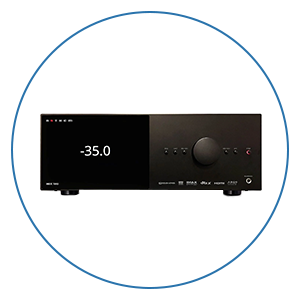
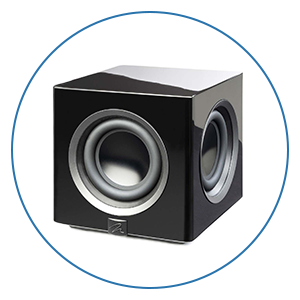
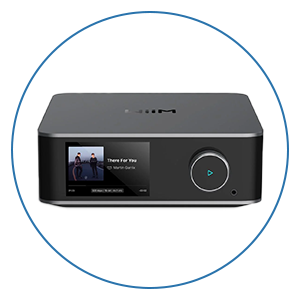
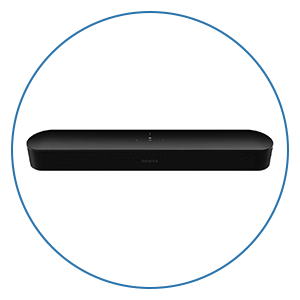
- Works with existing gear. Many speakers, streamers, and headphones that already support Spotify Connect can now take advantage of lossless playback
- Mainstream impact. With Spotify’s massive user base, this move normalizes lossless streaming for millions of people, even if most are not chasing full hi-res
The Limits: Why It Is Not Full Hi-Res
While Spotify’s addition is a win, it has clear boundaries:
- Capped at CD sample rate. 44.1 kHz is the ceiling. Apple Music, TIDAL, and Qobuz extend to 96 kHz and 192 kHz for true hi-res
- No “hi-res” designation. Spotify avoids calling this hi-res because it does not exceed CD quality
- Bluetooth bottlenecks. Unless you are wired in or using advanced codecs, you will not hear the full benefit
- Hardware sensitivity. On earbuds or laptop speakers, the difference may be subtle. External DACs, quality headphones, and hi-fi systems reveal the real improvement
- Fewer audiophile features. Services like Qobuz allow hi-res downloads, support niche formats, and cater to collectors. Spotify sticks to streaming only
- Rollout still in progress. Not every region has access right away, though coverage is expanding quickly
Final Thoughts
Spotify Lossless is a long-awaited and welcome addition. For everyday listeners, it brings a meaningful boost in quality and ensures the platform does not feel outdated compared to rivals.
But for true hi-res listening, with sample rates up to 192 kHz, broader format support, and downloads for collectors, Apple Music, TIDAL, and Qobuz are still ahead.
For most Spotify users, Lossless is more than enough. For audiophiles, it is a step forward but not the finish line. The bigger question is whether Spotify will eventually expand into true hi-res or spatial audio, or if it has decided that CD quality for the masses is where it wants to stop.


