













Sony + TCL = Bravia, Inc.


Sony and TCL Just Merged Their TV Businesses. Here's What You Need to Know
It's been one of the most talked-about stories in the TV world all year, and now it's official. Sony and TCL have signed a binding agreement to form a joint venture called Bravia, Inc., which will take over Sony's entire home entertainment business when it begins operations in April 2027. TCL holds a 51% stake in the new company. Sony holds the remaining 49%.
For anyone who owns a Sony TV, a Sony soundbar, or a Sony projector — or is thinking about buying one — this is worth understanding. The changes coming are real, but so is the continuity.
What Is Bravia, Inc. and What Does It Cover?
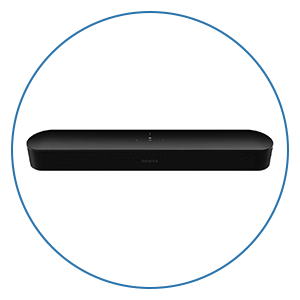
The new company will absorb Sony's home entertainment division in its entirety. That includes consumer televisions, projectors, home theater systems, soundbars, AV receivers, and commercial display products. Products sold under the new structure will continue to carry both the Sony and BRAVIA brand names.
Bravia, Inc. will be headquartered in Sony's existing Tokyo office, and Sony veteran Kazuo Kii will serve as its CEO. The board will include members from both companies. So while TCL is technically the majority owner, the operational leadership and headquarters remain on Sony's side of the table — a detail worth noting for anyone worried about an abrupt brand identity shift.
Why Is This Happening?
The simple answer is that the TV business is brutally competitive and getting harder every year. Sony makes outstanding televisions — few people dispute that — but the company holds a relatively small slice of the global TV market by unit volume. Meanwhile, TCL has become one of the largest TV manufacturers in the world, with vertically integrated manufacturing and the ability to produce displays at a scale and cost that Sony simply cannot match on its own.
The logic of the partnership is straightforward: Sony brings the engineering expertise, the processing technology, and decades of premium brand equity. TCL brings the manufacturing infrastructure, the display development pipeline, and the ability to compete at price points where Sony has historically struggled. Together, the argument goes, Bravia, Inc. can build better products more efficiently and get them to more people.
Whether that plays out in practice is a question only time will answer.
What About Sony's OLED TVs?
This is the question most home theater enthusiasts are asking, and the honest answer is that nobody outside the boardroom knows for certain yet.
Sony's OLED televisions have long been favorites among videophiles because of Sony's commitment to accuracy. Sony makes professional reference monitors used in film and television production, and its consumer OLED TVs reflect that same philosophy. The results have consistently placed Sony at or near the top of serious TV evaluations where picture accuracy matters most.
TCL, however, has no meaningful investment in OLED technology. The company's focus is on advanced LED backlighting, and its latest displays are genuinely impressive in that space. The concern is whether a TCL-majority company will continue to license OLED panels from LG Display and Samsung Display — which is expensive — or whether Sony's OLED lineup quietly fades out in favor of LED-based alternatives.
No official word has been given on this. Bravia, Inc. doesn't begin operations until 2027, and Sony still has displays in development that predate the deal. But it's a legitimate question and one that the home theater community will be watching closely.
What Stays the Same — For Now
Until April 2027, Sony operates exactly as it always has. The TVs, soundbars, projectors, and receivers on shelves and available to order today are Sony products designed and built under the existing structure. Nothing about the current lineup changes as a result of this announcement.
When Bravia, Inc. does begin operations, the transition is designed to be gradual. Products will retain Sony branding. The processing technology Sony is known for is explicitly called out in the deal as something the new company intends to build on, not discard.
The optimistic read is that this deal makes Sony's strengths more accessible to more people. The cautious read is that any time a 49% owner cedes majority control, the long-term direction isn't entirely in their hands.
The Audio Advice Take
We have carried and recommended Sony products for a long time, and we will continue to follow this story closely as more details emerge. The current Sony lineup — including the BRAVIA Theater soundbar systems, BRAVIA projectors, and OLED and LED televisions — represents some of the best home entertainment hardware available right now, and none of that changes today.
If you have been considering a Sony TV or home theater system, buy it on its own merits. What's available now was designed by the same team that has made Sony's home entertainment reputation what it is.


