













MartinLogan Masterpiece Series Speaker Comparison


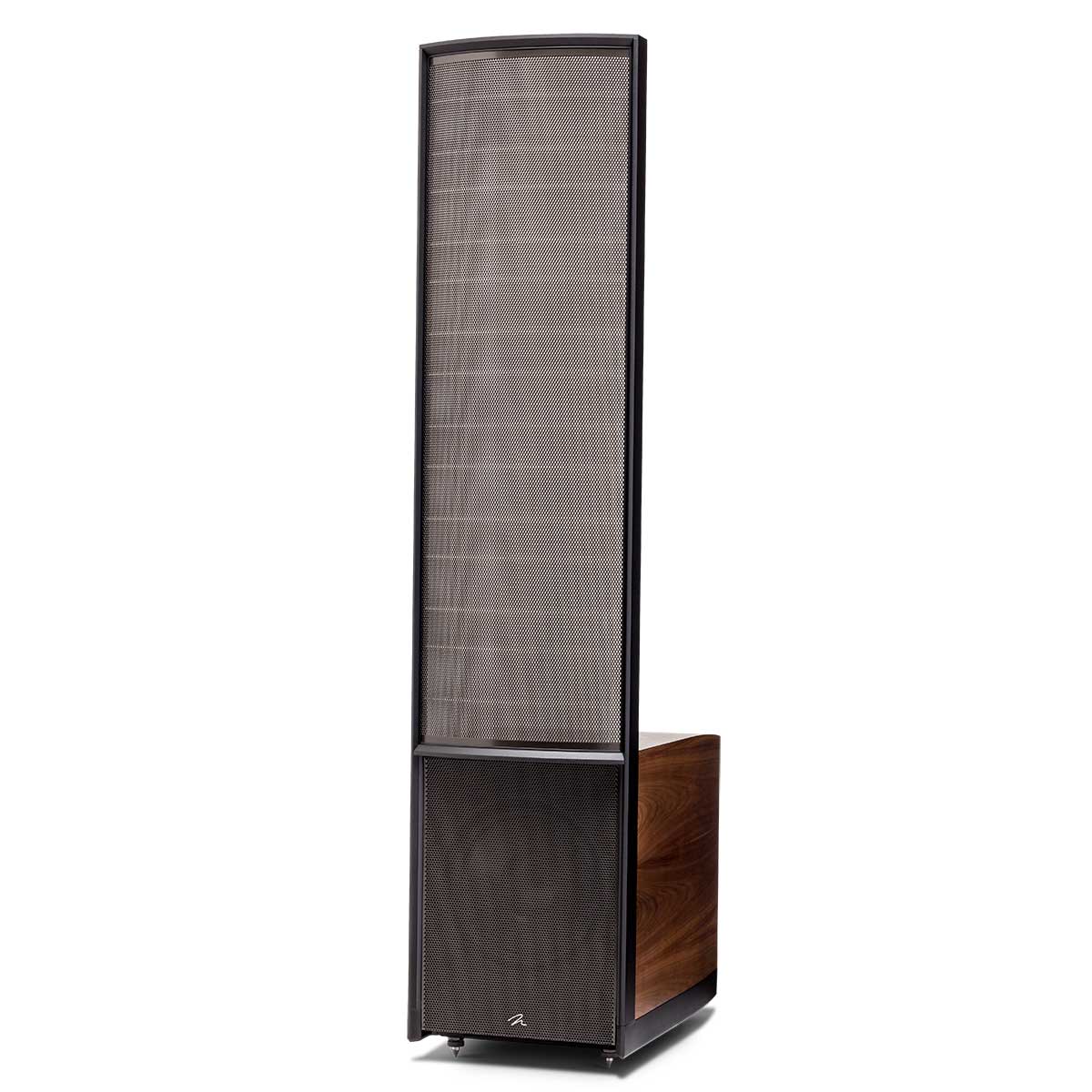
MartinLogan’s Curvilinear Line Source (CLS) Electrostatic Panel is gently curved but designed to send very little sound to the sides, thus reducing the blur from sidewall reflections. Being electrostatic, they are a true dipole speaker which means they radiate to both the front and back which then gives us that nice rear reflection enhancement of depth.
Controlling the dispersion pattern is not only limited to electrostatic designs, as most horn-type speakers have a similar characteristic. Many designers feel controlled dispersion is one secret to recreating that magical musical experience in the home.

When they compared the new AirFrame Blade design to the same panel in their older design, they noticed better imaging, more low-level details, and even the efficiency of the panel improved some as it is held much more rigidly by this new frame design.
And not only does it enhance the sound, but the AirFrame Blade design just looks cool as all get out! No one ever walks up to a MartinLogan Masterpiece model and says it looks plain!

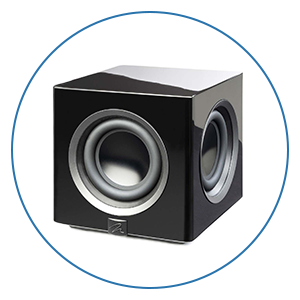
The bass sound you hear from a MartinLogan Masterpiece is super fast with a lot of energy. Of course, it needs to be fast to keep up with the lightning-quick electrostatic panel and we feel this tech helps their woofer system blend better than any separate subwoofer. Another advantage is, you can place the speakers closer to the rear wall than you might think for an electrostatic design.


You will want a helper to move these around, along with all of the other models as these weigh almost 80 pounds out of the box. We find they sound the best with the front of the speaker roughly 3 feet off the back wall and slightly angled in towards your listening position. Since they are fairly sensitive at 90 dB, we suggest you think about better power in an amplifier over more power. MartinLogans are all very revealing and will easily show off the advantages of a better amplifier.
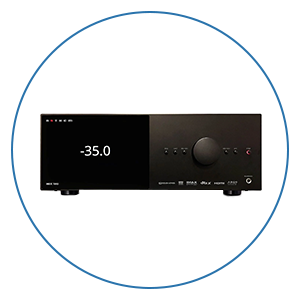
They can also run quite well on the better home theater receivers if you are thinking about a complete MartinLogan home theater system.
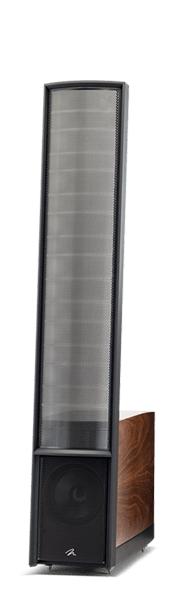
MartinLogan could have used the same plug as the ESL 9, but this just shows you how much they care about getting the best possible sound. The rear of the speaker also has a bass level control knob and a midbass level switch to allow you to fine-tune to your room. You’ll also find the ARC mini USB connector and on/off switch on the rear.
With its built-in amp, the ESL 11A can fill up just about any sized room except for a very large one with a big sound. Voices will float seamlessly right in front of you while you feel super fast, impactful bass. They're over 5ft size also means the musical soundstage in front of you is almost lifelike in size. The ESL 11A gives you all of the best the Masterpiece series has to offer in their most affordable and compact package and for most music lovers will be the best choice for the money.
At $15,000 a pair, the ESL 13A is one serious speaker capable of filling up just about any sized room, yet they are the same great high sensitivity of the ESL 11A at 91 dB. Bass reaches down to a very impressive 24 Hz in the ESL 13A. You’ll want to pair these up with a very good electronics stack as they are very capable of revealing the differences between good and mediocre amplifiers.
The larger area panel gives them an even more effortless and bigger sound than the other two models, putting you even closer to that elusive sound of musicians in your room. We like to place these about 38-40” off the rear wall to get the best soundstage, so bear that in mind when considering them. But if you want to stay under $20K and get the amazing sound of MartinLogan, the ESL 13A is worth every penny.
These 140-pound large panels will need to be at least about 40 inches off the back wall and slightly toed in towards your listening area. It should go without saying, you want to pair them up with the best stack of gear you can afford, although, like the others, better power is more important than a ton of power.
This is an electrostatic that can give you the full dynamic impact of a symphony orchestra yet reveal the slight draw of breath as a singer pauses or the subtle brushstrokes of a cymbal with a realism that makes you think the concert is in your room. Are they expensive, yes, do they deliver unbelievable sound, heck yes!

They wound up using two of MartinLogan's XT Folded Motion tweeters with a huge 34” wide electrostatic panel for the midrange. Four 6 ½” aluminum woofers round out the bottom end.
If you are adding all this up in your head, yes, the C34A is substantial and designed to sit on the floor. It's almost 3 feet wide, 2 feet deep and about 2 feet tall with an angled up design.
The woofers have their own power amp built-in which means the Anthem Room Correction also works with them.
The ESL C34A is as seamless a match as we can think of for the Masterpiece series and if you want the best possible sound for home cinema it's a perfect blend for your main MartinLogans.
Focus ESL C18 Center-Channel Speaker
The ESL C18 is more of a conventional center channel you could place on top of a cabinet or mount on a wall but is still substantial in size. It uses one Folded Motion tweeter coupled to an 18” wide CLS panel for the midrange with 2 6 ½” aluminum cone woofers. The total width is about 43” with roughly 9” of depth and height.
We feel this model is the best value as you get a perfectly matched CLS panel to team up with your main speakers which creates a seamless transition as the sound pans across the front soundstage.
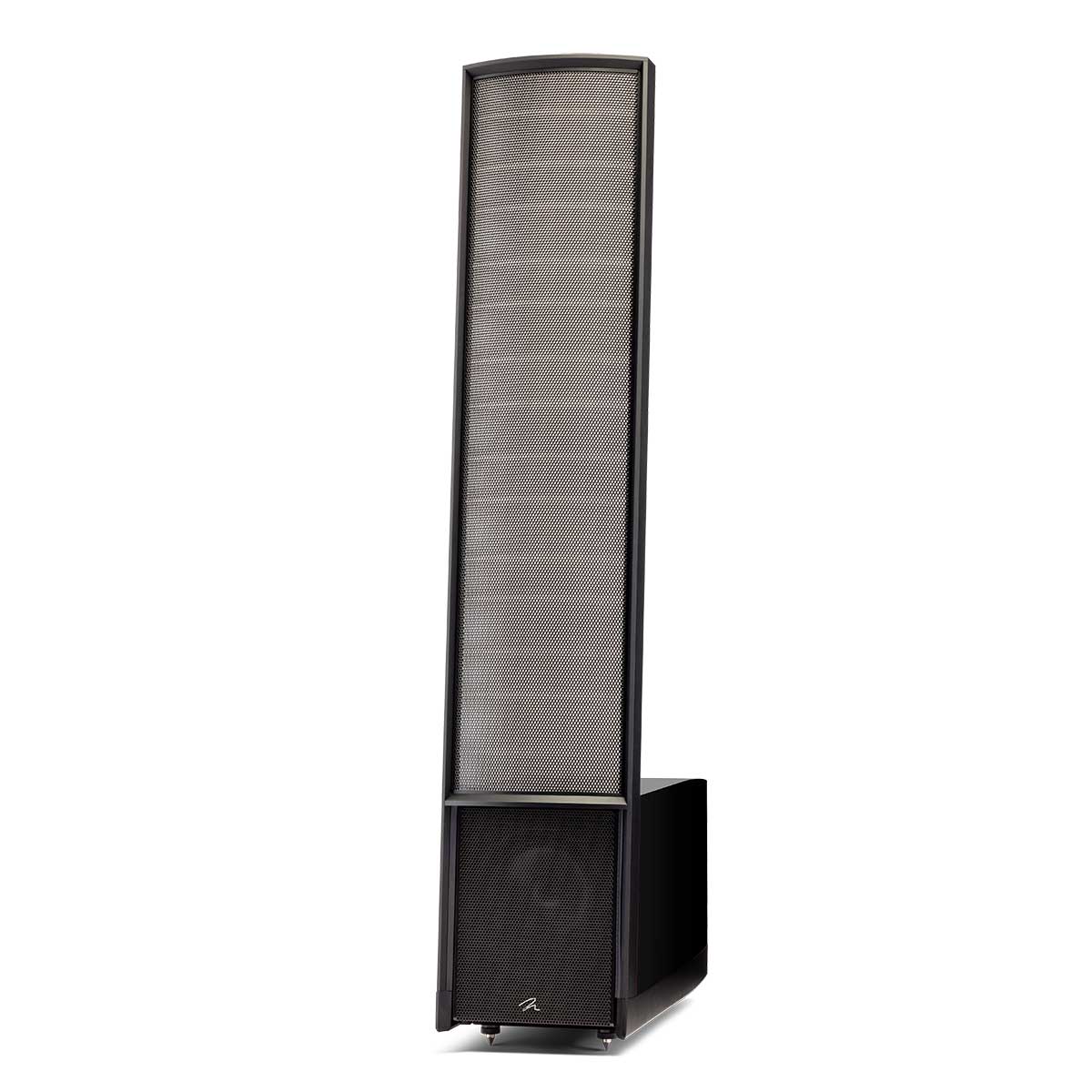
MartinLogan Impression ESL 11A Floorstanding Speaker
$5,999.99
Learn More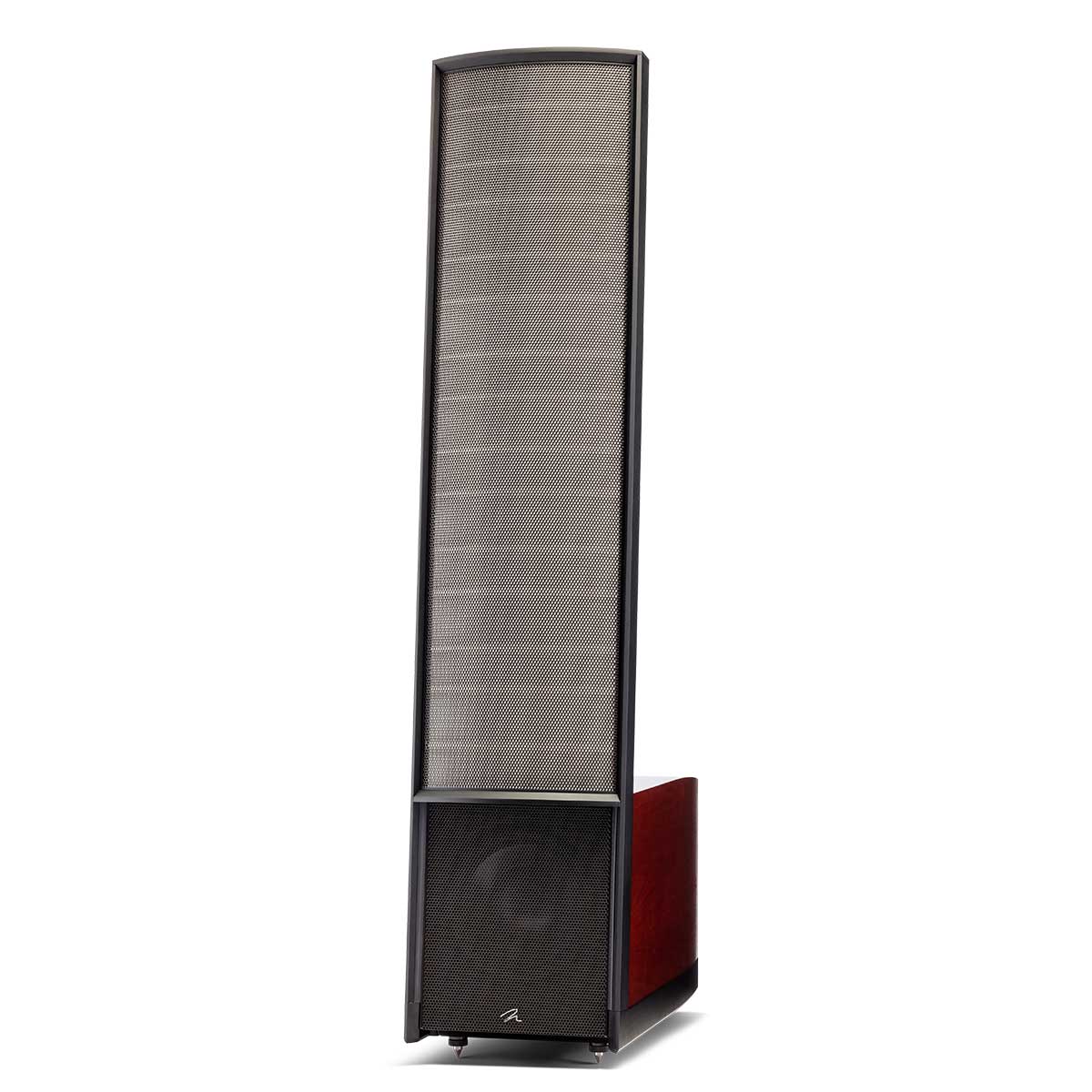
MartinLogan Expression ESL 13A Floorstanding Speaker
$8,999.99
MartinLogan Renaissance ESL 15A Floorstanding Speaker
$14,499.99
Learn More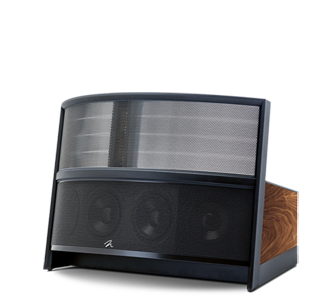
MartinLogan Illusion ESL C34A Center Channel Speaker
$9,499.99
Learn More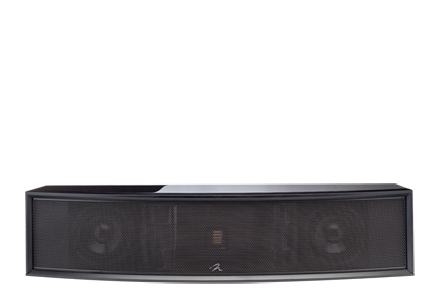
MartinLogan Focus ESL C18 Center Channel Speaker
$4,899.99
Learn More


