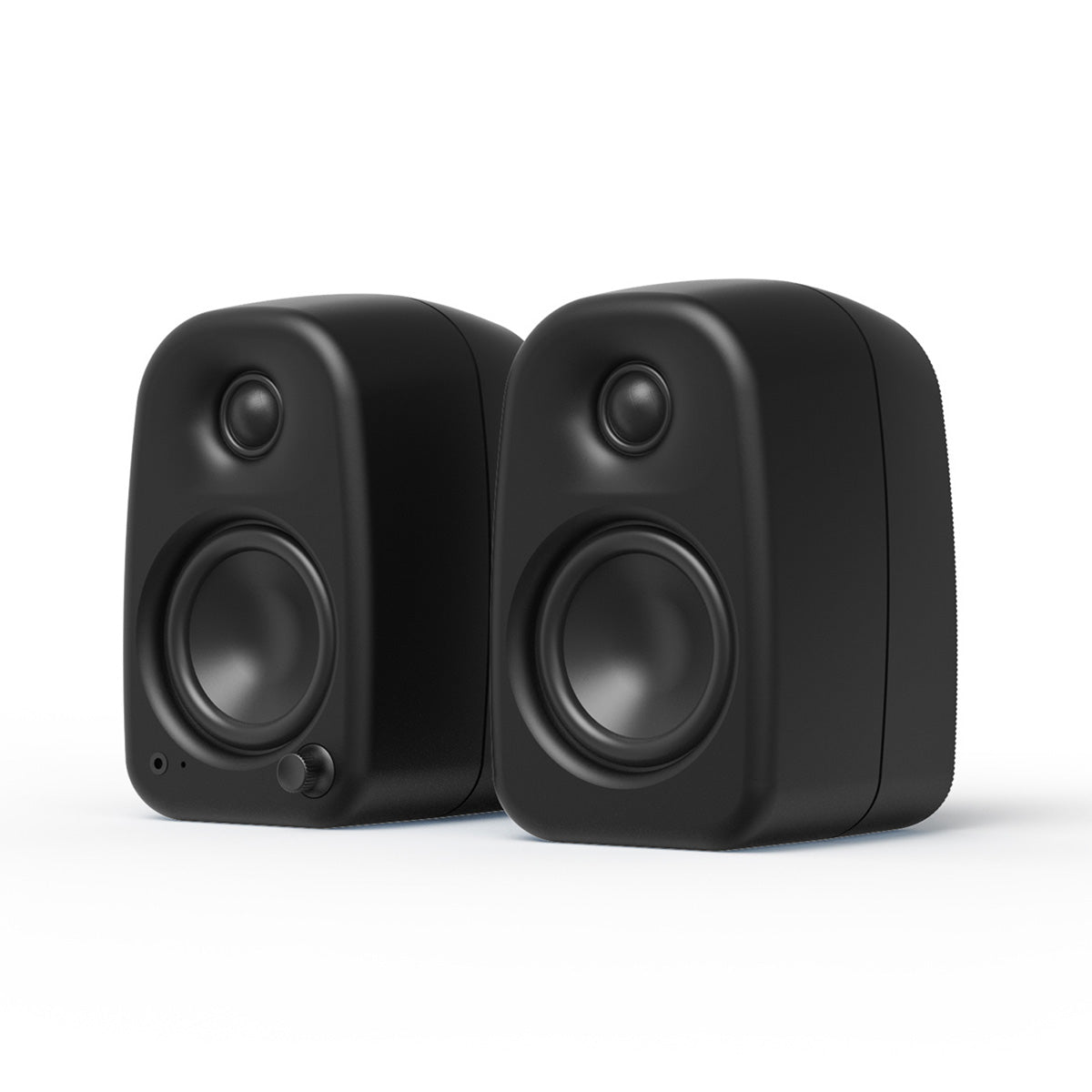

Kanto UKI Desktop Speakers
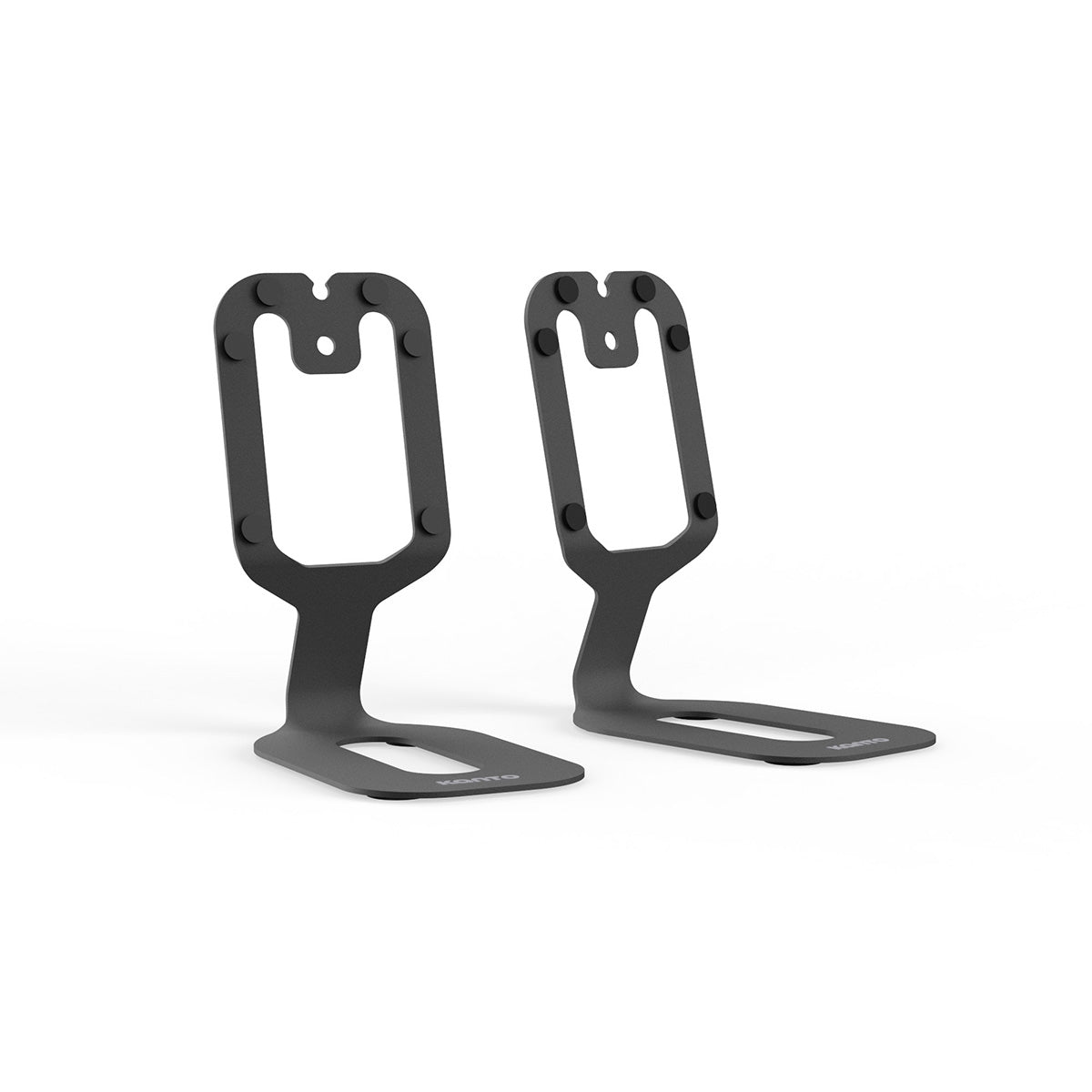
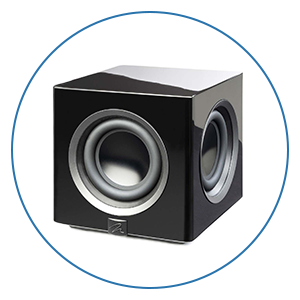
Plus Kanto SU2 Desktop Stands & Kanto SUB6V Powered Subwoofer
If you spend any significant amount of time sitting at a desk—whether working from home, editing video, casually gaming, or just listening to music while clearing out your inbox—you already know how important a good pair of speakers can be.
However, building the perfect desktop audio system usually forces you into a corner. You either settle for uninspiring, basic computer speakers, or you surrender a huge chunk of your desk real estate to bulky studio monitors. Kanto’s new UKI powered desktop speakers are taking a completely different path. They are engineered to bring warm, fatigue-free sound to your workspace, wrapped in a compact cabinet that looks more like handcrafted pottery than a piece of traditional tech.
We’ve spent the last few weeks rigorously testing the Kanto UKI in our audio labs, pairing them specifically with Kanto’s custom SU2 desktop stands and the Sub6 sealed subwoofer. Today, we are breaking down the design, the acoustic engineering, the setup process, and exactly how this trio sounds when you put it all together.
Let’s start with the physical design, because it is the very first thing you notice when you unbox the UKI. Kanto completely threw out the traditional desktop speaker rulebook. You won't find any sharp, aggressive right angles, fake wood grain veneers, or cheap glossy plastics that act as fingerprint magnets.
Instead, the UKI features a beautiful, organic, almost egg-like curvature. It’s a two-piece clamshell cabinet made from rigid, injection-molded plastic that incorporates partially recycled materials. This manufacturing process gives the cabinets a very subtle, speckled texture. Depending on your room's lighting, they genuinely look and feel like stoneware, bringing a welcome sense of calm and high-end design to a workspace.
They are available in five distinct colorways:
While the black and white offer a clean, minimalist look, the other colors provide a unique, speckled pop of personality that elevates the aesthetics of any home office.
At just 6.5 inches tall and 4.4 inches wide, they take up virtually zero footprint on your desk. Each speaker weighs about two pounds, making them incredibly easy to position. Behind the front baffle—which completely lacks a grille so the drivers are proudly exposed—you’ll find a 3-inch paper cone woofer and a 3/4-inch silk dome tweeter.
On the primary (active) speaker, Kanto placed a single multi-function knob on the front right corner. This incredibly tactile dial handles your volume, powers the system on and off, and lets you cycle through your inputs with a simple push. Right next to it sits a 3.5mm headphone jack. Having this on the front panel is a massive usability win; if you need to quickly hop on a Zoom call, you don’t have to blindly reach around the back of the speaker to plug in your headset.
Flipping the primary speaker around to the back panel, Kanto has included exactly what you need for a streamlined, modern near-field setup.
A Quick Note on Bluetooth: While the UKI runs on a highly stable Bluetooth 5.3 chip, it only supports standard SBC and AAC codecs. If you're a hardcore wireless audio fan hoping for high-res aptX HD or LDAC compatibility, you won't find it here. However, for a desktop setup where your computer is sitting two feet away, you should absolutely be using that USB-C hard connection anyway to get the best fidelity. It's a minor tradeoff, but worth mentioning for critical listeners.
Kanto redeems any minor connectivity nitpicks with the absolute smartest feature on the back panel: a tiny, unassuming toggle switch labeled L / R.
Typically, the powered speaker (the one with the power cord and volume knob) is hardwired to be the right channel. But what if your wall outlet or PC tower is on the left side of your desk? You end up stringing power and USB cables awkwardly across your entire workspace. The UKI lets you place the primary speaker wherever it is easiest to route your cables. Simply flip the switch, and the internal DSP instantly corrects the stereo image. It's a brilliant, practical touch that proves Kanto actually tests their products in real-world environments.
Before we dive into sound quality, we have to talk about placement. We highly recommend pairing these speakers with the Kanto SU2 stands.
Placing any speaker directly flat on a hard wooden or glass desk is an acoustic nightmare. Sound waves bounce off the desk's surface and hit your ears a fraction of a second after the direct sound. This creates a phenomenon known as comb filtering, which muddies up the midrange and completely ruins your stereo imaging.
The SU2 stands fix this entirely. Tailor-made specifically for the UKI, they attach securely using a single 1/4"-20 bolt directly into the back of the cabinet, creating a stunning floating aesthetic.
So, how do they actually sound? In a word: comfortable.
Kanto tuned the UKI specifically to combat ear fatigue, which is crucial for a speaker that sits two feet from your face for eight hours a day. The material choices are highly intentional:
3-inch Treated Paper Woofers: Paper is highly regarded in high-end audio for its natural, organic tonality, offering incredibly lifelike reproduction of human voices and acoustic instruments.
3/4-inch Silk Dome Tweeters: Silk provides a very smooth, open top-end that never gets harsh, brittle, or sibilant, even on poorly recorded tracks.
Hooked up via USB-C to a MacBook Pro, the first thing that struck us was the absolute stability of the center image. With the speakers angled in slightly on the SU2 stands, lead vocals hung perfectly suspended right in the middle of our monitor. We could easily hear the woody texture of upright bass strings and the subtle breath of the vocalist.
Inside the primary speaker is a bi-amplified Class D amplifier delivering 100 watts of peak power (50W RMS). Because the tweeters and woofers each get their own dedicated stream of power, driver control is superb. Even pushed to room-filling volumes, the UKI remains composed without distorting or shouting.
The bass from those little 3-inch woofers is surprisingly punchy and tight. However, the laws of physics still apply—a 3-inch driver can only move so much air. If you listen to sub-bass heavy electronic music or want cinematic, chest-thumping impact while gaming, you will eventually hit the physical limits of a compact near-field speaker.
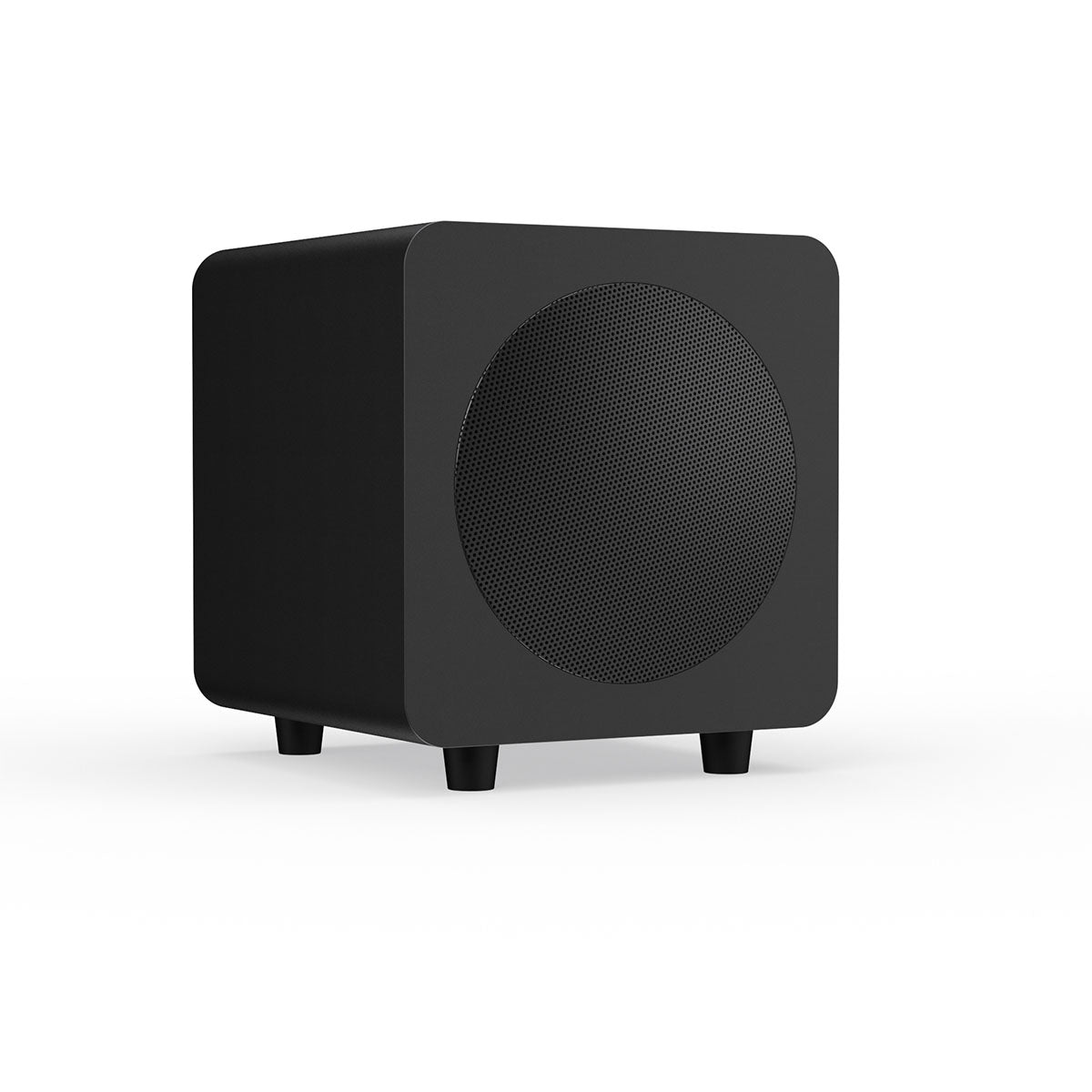
That is exactly where Kanto's subwoofer integration comes in. Adding the Kanto Sub6—a compact, 6-inch sealed subwoofer—under your desk does much more than just add low-end rumble; it activates the UKI’s automatic, smart crossover network.
When you use the UKI by itself, those little 3-inch woofers are working overtime. They are trying to play delicate midrange vocals while simultaneously pumping back and forth to produce heavy bass notes. It's a massive amount of physical and thermal stress for a small driver.
The exact second you plug an RCA cable into the UKI's sub-out port, the speaker senses it and instantly activates a 100 Hz high-pass filter. This means the UKI entirely stops trying to play anything below 100 Hz, seamlessly handing that heavy lifting off to the Sub6.
The transformation is immediate and staggering. Freed from the burden of producing deep bass, the UKI woofers can focus 100% of their energy on the midrange.
Since the UKI is Kanto’s most affordable powered speaker ($269/pair), how does it stack up against their other popular desktop options?
The YU2 has been a staple in the desktop audio world for years, but the UKI feels like its direct evolution. The UKI brings modern USB-C and Bluetooth 5.3 to the table, whereas the YU2 relies on an older USB DAC and lacks Bluetooth entirely. Unless you specifically prefer the sharp, classic, boxy aesthetic of the older YU2 cabinets, the UKI is the superior buy for almost everyone.
The Kanto ORA is a completely different beast. ORAs are reference-quality desktop monitors meant for critical listening, music production, and video editing. They offer a flatter, clinical frequency response to help creators mix tracks accurately. But reference monitors aren't forgiving; they will ruthlessly expose every flaw in a bad recording or low-bitrate YouTube video. The UKI, conversely, is tuned to be smooth, warm, and forgiving—making it perfect for casual, all-day enjoyment.
If you are a professional audio engineer looking to mix tracks in a studio, go grab the Kanto ORAs.
But for the remote worker, the casual gamer, or the music lover who wants brilliant, engaging sound without ear fatigue? The Kanto UKI is a massive home run. It brilliantly bridges the gap between lifestyle design and true audio performance. It gives you the convenience of USB-C, thoughtful features like the L/R swap switch, and a beautiful, softened aesthetic that enhances your workspace rather than cluttering it. Most importantly, it delivers a rich, balanced sound signature that you can happily listen to from your morning coffee until you log off for the night.
Do yourself a favor: pair them with the SU2 stands to get the acoustic geometry right, and if your budget allows, drop a Sub6 under your desk. It is one of the most enjoyable, musical desktop setups we’ve had the pleasure of reviewing in a very long time.
You'll be among the first to know about product launches, exclusive online deals, and the hottest audio trends.