












JBL Synthesis Expanded Lineup


A System-Level Approach to High-End Home Cinema
JBL Synthesis has always taken a different approach to home theater. Rather than focusing on individual products in isolation, the brand is built around complete systems where speakers, processing, amplification, and calibration are designed to work together as a whole.
With the latest expansion of the SCL speaker lineup and updated electronics, JBL Synthesis is clearly leaning even harder into that philosophy. The goal is not just more options, but better scalability, tighter voicing consistency, and fewer compromises when designing real-world theaters.
This is about giving integrators and homeowners more ways to build serious cinema systems without mixing brands or crossing their fingers.
Expanding the SCL Speaker Ecosystem
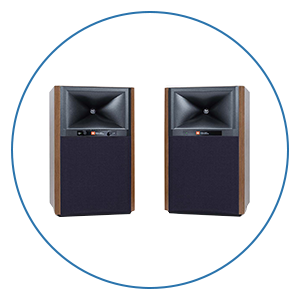
At the heart of JBL Synthesis is the SCL speaker family. These speakers are designed to deliver the scale, dynamics, and controlled directivity that high-performance theaters demand, whether they are installed in walls, on walls, or in the room.
The expanded lineup fills important gaps between existing models, making it easier to design systems that match room size, seating distance, and output requirements without jumping straight to flagship solutions.
Across the range, the focus stays consistent. Compression drivers, precision horn geometry, and matched voicing ensure that front channels, surrounds, and height speakers blend seamlessly, even in large immersive layouts.
Architectural Speakers That Do Not Feel Like a Compromise
For in-wall installations, the newer SCL models are designed to disappear visually while still delivering the kind of impact usually associated with large floorstanding speakers.
Higher-output in-wall options are intended for LCR duty behind acoustically transparent screens, while more flexible models support surround and immersive channels in larger rooms. The emphasis is on clean integration, controlled dispersion, and enough headroom to play at reference levels without strain.
Rather than treating in-wall speakers as secondary options, JBL Synthesis positions them as true cinema-grade solutions when used as part of a complete system.
In-Room and On-Wall Options for Real Spaces
Not every high-performance theater can be built entirely into the walls, and JBL Synthesis acknowledges that reality with a range of in-room and on-wall SCL speakers.
These models bring the same system voicing and dynamic capability into spaces where cabinetry, screen placement, or architectural constraints limit in-wall installation. Larger in-room speakers are designed to anchor big rooms with ease, while slimmer on-wall options prioritize placement flexibility without abandoning output or clarity.
The result is a lineup that works just as well in premium media rooms as it does in fully dedicated theaters.
Processing and Amplification Built for Immersive Systems
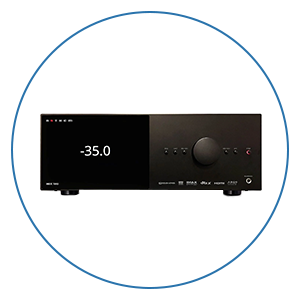
JBL Synthesis treats electronics as a core part of the system, not an afterthought. The latest processors and receivers are designed to handle modern immersive formats while staying predictable and repeatable for installers.
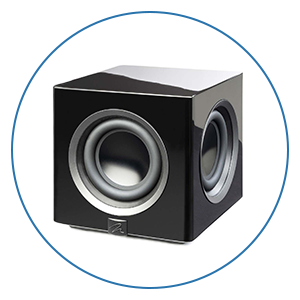
Higher-channel-count processors support large Atmos and DTS:X Pro layouts, while more streamlined options focus on sixteen-channel systems that still demand precision and control. Support for advanced room correction, including Dirac Live ART, allows for more effective bass management and tighter integration between speakers and subwoofers.
For projects that benefit from simplification, JBL Synthesis also offers all-in-one receiver solutions that combine immersive processing with onboard amplification, reducing system complexity without sacrificing performance.
Designed to Scale Without Guesswork
One of the most important takeaways from this expansion is scalability. JBL Synthesis is clearly focused on covering more real-world use cases rather than pushing everyone toward flagship-level builds.
Whether the goal is a refined sixteen-channel theater or a full reference immersive room, the ecosystem is designed to scale cleanly. Consistent voicing, matched components, and system-level validation help ensure that upgrades feel intentional rather than piecemeal.
This approach makes it easier to design systems that perform as expected from day one and continue to make sense as rooms, budgets, and expectations evolve.
Choosing the Right JBL Synthesis System
With so many speaker and electronics options available, system planning matters just as much as product selection. Room size, seating layout, screen type, and target output all play a role in choosing the right SCL speakers and processing platform.
We have in-depth guides and hands-on experience with JBL Synthesis systems that help break down these decisions and explain how different components fit together. If you are trying to decide between in-wall versus in-room speakers, or which processor level makes sense for your layout, that guidance can make the process far less overwhelming.
What to Expect Moving Forward
This is one of the most meaningful JBL Synthesis expansions in years, not because of a single headline product, but because of how cohesive the overall strategy is. The ecosystem now covers more room sizes, more installation styles, and more performance tiers without losing its identity.
For anyone building a serious home theater and wanting a system-driven approach instead of a collection of mismatched components, JBL Synthesis continues to be one of the most compelling options available.
We will be spending more time with these systems, sharing deeper setup insights, performance impressions, and real-world design guidance as more details become available.


