
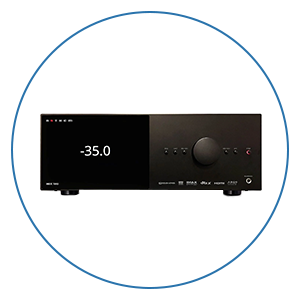

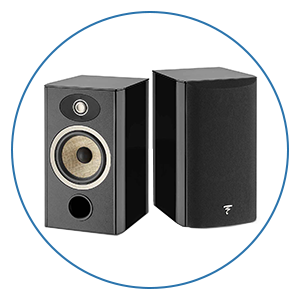
Building a home theater or media room doesn’t always require a massive budget. The sub $1,000 category of home theater receivers has become one of the sweetest spots of the receiver market, with most modern AVRs now offering real Dolby Atmos performance, HDMI 2.1 for modern gaming and 8K video signals, solid amplifier sections, and room correction that actually makes a difference.
If you’re stepping up from a soundbar or replacing an older AVR, even an affordable receiver brings a noticeable jump in clarity, dynamics, and immersion. They are also far easier to set up than they used to be. Most models guide you through installation with on-screen instructions, automatic speaker calibration, and smart input detection, so it’s simple to get everything dialed in.
Our list of our favorite AVRs under $1,000 focuses on receivers that offer the most performance and long-term value for the price. Every model here supports Dolby Atmos, handles current video formats, includes reliable room correction, and provides enough power for most small and midsize rooms. Each one shines in its own way, whether you care most about gaming features, musicality, ease of use, or the best overall balance.
Here are the best AV receivers under $1,000 and what sets each one apart.
Before we break down each of these picks in detail, it helps to know what really matters in this price range. The next section walks through the key features that separate an average budget receiver from one that will actually elevate your room. Things like power and channel count, HDMI 2.1 support, room correction performance, streaming options, and overall ease of use play the biggest roles in performance. Understanding these fundamentals makes it much easier to choose the receiver that fits your room, your speakers, and the way you watch and listen.
Most receivers in this bracket offer seven powered channels, which is enough for a 5.1.2 Dolby Atmos layout or a classic 7.1 setup. That’s the sweet spot for the majority of living rooms, media rooms, and small dedicated theaters. What matters more than raw wattage is how cleanly the receiver delivers that power. A solid 7-channel design will give you good dynamic punch, clear dialogue, and enough headroom for action scenes without strain. If your speakers are larger or you prefer high playback levels, choosing a model with a more robust power supply becomes more important.
This is one of the biggest upgrades in recent years. Modern gaming consoles and many streaming devices now support high frame rate formats, and several new TVs are built around full bandwidth HDMI 2.1. Even if you are not gaming today, having one or two HDMI inputs that handle 4K at 120 frames per second or 8K video helps keep your system ready for whatever you add down the road. The best receivers under $1,000 include multiple HDMI 2.1 ports so you won’t run out of bandwidth as you expand your setup.
If your receiver doesn’t have as many HDMI 2.1 inputs as your TV, you still have an easy solution. As long as your TV supports eARC, you can plug your gaming console directly into the TV to get full 4K120 or 8K video, then send uncompressed audio back to the receiver over the eARC connection. This gives you the same high-performance result without relying on the AVR to handle every video format.
No room is perfect. The shape of your room, furniture, walls, windows, and layout all affect how your system sounds. That’s why room correction is such an important part of any modern AVR. While you won’t get the advanced multi-sub capabilities found in higher-end models, the calibration tools in this price class do a great job at the fundamentals. They help smooth out uneven bass, improve dialogue clarity, and balance your speakers for your room. Even a simple mic-based setup can make a noticeable difference.
One of the best parts about modern receivers is how easily they fit into daily life. WiFi, Bluetooth, AirPlay 2, Chromecast, Spotify Connect, and built-in support for popular music apps make these units feel more like smart hubs than traditional components. Multiple HDMI inputs, flexible audio connections like a built-in phono stage to connect a turntable, and compatibility with Dolby Atmos and DTS:X ensure you can connect everything from game consoles to disc players to streaming sticks without hassle. In short, your receiver should be the central brain of your system, and the best budget-friendly models handle that job effortlessly.
When you’re trying to keep costs reasonable, the basics matter most. A receiver should be easy to set up, easy to live with, and dependable. Clean on-screen menus, simple remote controls, stable HDMI switching, and a guided setup process all help you get up and running quickly. Reliability also plays a big role here. Well-designed budget receivers tend to last for many years because they focus on straightforward performance rather than extra features you’ll never touch.
If you want to go deeper than what we cover in this under $1,000 list, our full Home Theater Receiver Buying Guide breaks down everything in much more detail. It explains how to match an AVR to your room size, speaker layout, and listening habits, and it covers important topics like power requirements, channel counts, HDMI 2.1, subwoofer optimization, and when it makes sense to step up to external amplification.
We also maintain updated recommendations for the best AV receivers at a wide range of price points, from budget systems all the way up to high end luxury designs and 15 channel flagship models. This makes it easy to figure out where your budget lands and which models give you the best performance for the money. If you’re planning a future upgrade path or trying to decide whether to stretch to the next tier, the guide is a great resource.
Between this list and our full buying guide, you should have a clear picture of what matters most in an AVR and how to choose the right one for your room. If you ever need help picking the perfect model for your setup, our experts are always happy to walk through your space, speakers, and goals to make sure you get the best match. We can even hop on a video call with you to help you get the most optimal layout and setup with your new AVR from Audio Advice.
The JBL MA310 is designed for one type of buyer above all else. Someone who wants to stop using TV speakers or a basic soundbar and move into a real surround sound system without spending much money. This is a true 5.2 receiver that gives you front left, center, right, surround speakers, and up to two subwoofers. For small rooms, apartments, bedrooms, and bonus rooms, that is more than enough to create a big step up in immersion.
This receiver is all about simplicity. You get clean amplification that works well with affordable bookshelf and tower speakers, like their Stage 2 series of speakers. Dialogue comes through clearly, sound effects have real impact, and bass feels fuller and more controlled once you add a subwoofer. It doesn’t try to overwhelm you with advanced features or complicated menus.
Video support is straightforward with full 4K and HDR compatibility for streaming devices, cable boxes, game consoles, and disc players.
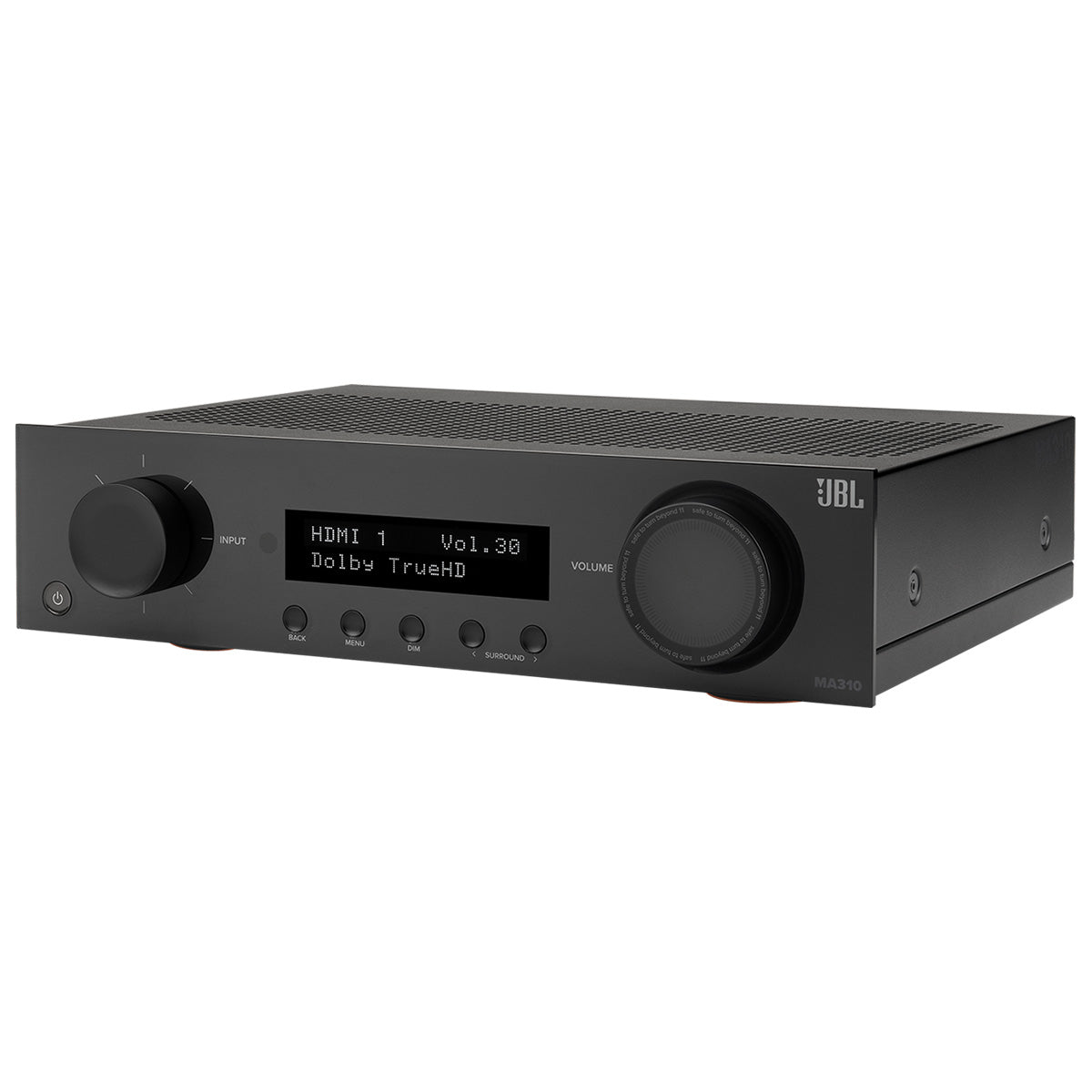
Bluetooth is included for quick music playback from your phone, and the on-screen setup guide helps walk you through speaker wiring and JBL’s custom EZ SetUp room calibration to make things super easy.
If your goal is to build the most affordable real surround system possible and still get a legitimate AVR from a respected brand, the MA310 is an excellent place to start.
The Denon AVR S770H is where this list starts to feel like a true home theater setup. With seven powered channels, you can build a Dolby Atmos system with overhead effects using a 5.2.2 speaker layout, or stick with a traditional 7.2 surround setup. Either way, this receiver delivers a noticeable jump in immersion over basic 5-channel systems.
Denon receivers have a reputation for being clean, balanced, and easy to listen to, and the S770H follows that tradition. It has enough power for most living rooms and media rooms when paired with most speakers. Action scenes have a strong impact, and music playback sounds full and controlled.
This is also one of the best budget receivers for gaming. Multiple HDMI 2.1 inputs support high frame rate gaming, so you can run 4K at 120 frames per second without compromise. While you can always plug a console directly into your TV if a receiver does not support HDMI 2.1, the S770H makes life much easier if you have multiple consoles or a gaming PC. Everything can plug into one central receiver and switch instantly, with full bandwidth and no workarounds.
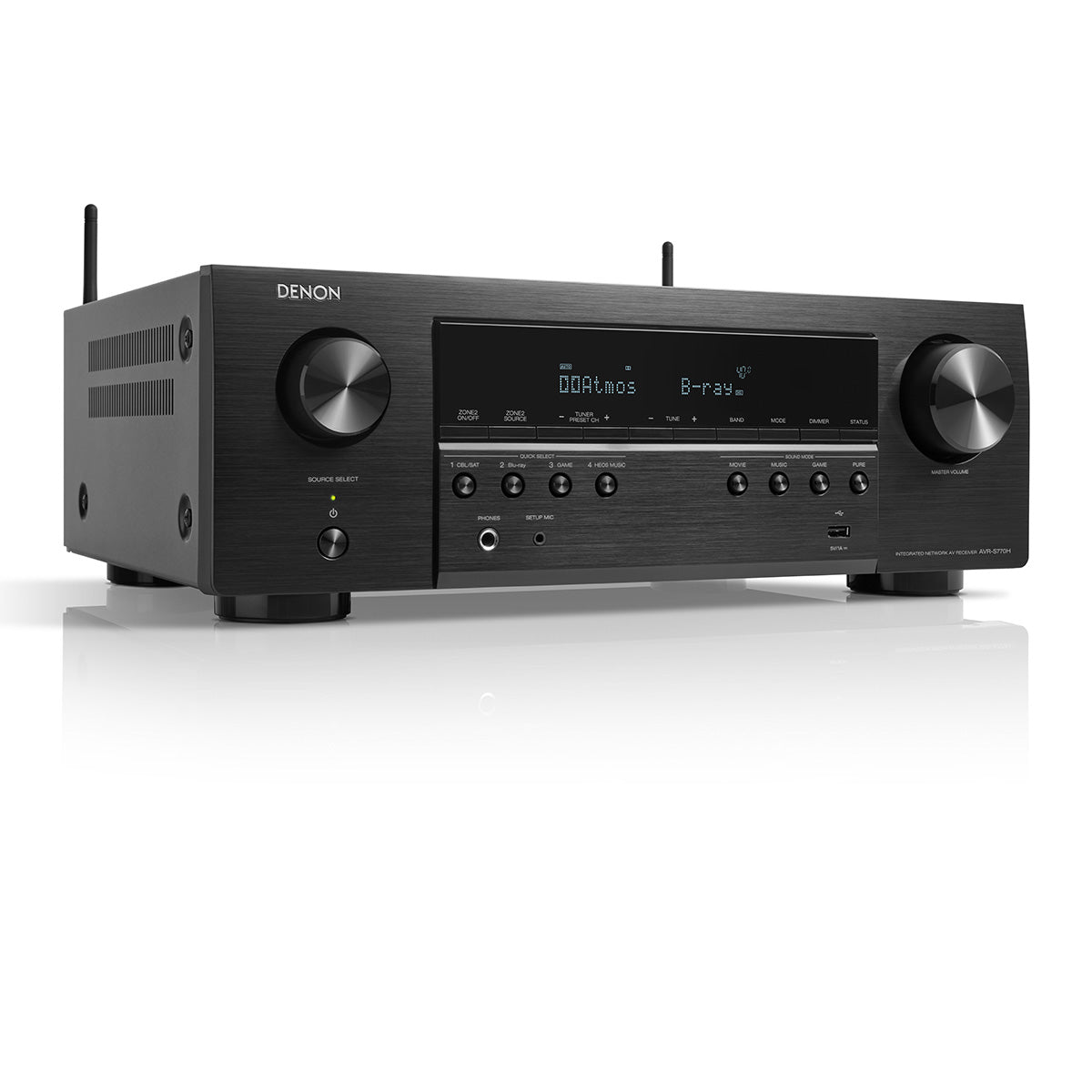
Audyssey room correction ties everything together by helping balance your speakers and tighten bass performance automatically. For most rooms, it makes a clear improvement with very little effort. You also get a built-in phono stage for a turntable, which means you do not need to buy a separate phono preamp to start enjoying vinyl. That adds real value for anyone building a system that handles both movies and records. If you want Dolby Atmos, gaming performance, vinyl support, and strong all-around sound in one affordable package, the S770H is still the most complete value choice.
If you’re shopping under $1,000 and your main goal is to make a normal living room setup feel more like a real theater, this is one of the most compelling receivers in the group. The reason we think the STR-AN1000 is the best fit for 360 Spatial Sound Mapping is that it can make a straightforward 5.1.2 system feel bigger than it should. Not just louder, not just more “effects,” but more continuous and more enveloping, like the space between the speakers gets filled in and the room starts to disappear.
A lot of AVRs can decode Atmos and DTS:X. The Sony stands out because the combination of DCAC IX calibration and 360 Spatial Sound Mapping is aimed at making the sound field feel wider and more seamless, even if you do not have a ton of speakers. You notice it most with movies and shows that have lots of ambience and movement, like crowds, weather, big open rooms, or action scenes where effects are supposed to travel around you. Instead of hearing “left speaker, right speaker, surround speaker,” you get more of that bubble where it feels like sound is placed in the room.
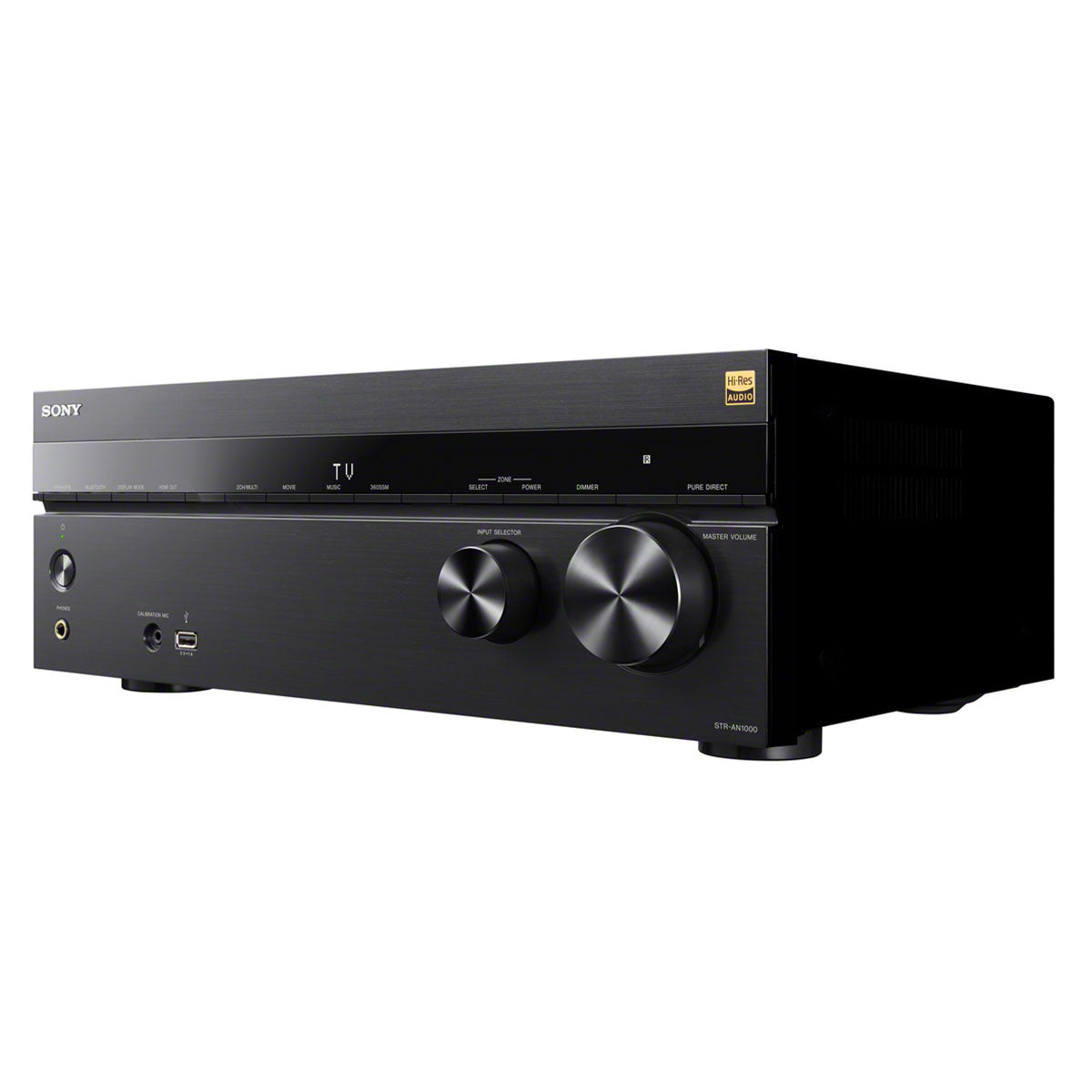
It also makes that experience pretty easy to achieve. This is the kind of receiver where you can run the setup, do the calibration, and quickly land on a sound that feels exciting and immersive without spending a weekend in menus. If you want a receiver that does a lot of the heavy lifting for you on the surround side, this is the lane it fits best.
The tradeoff is that it is not built around system expansion or advanced dual-sub tuning. You do get two sub outputs, but they carry the same signal, and you do not get multichannel preouts for adding external amplification later. Think of it as a receiver for someone who wants maximum immersion from a clean, straightforward 7-channel home theater build.
If you want one receiver that feels equally satisfying for Friday night movies and for real music listening, the RX-A2A is one of the safest picks you can make. The reason we think it’s the best all-around option for movies and music is that it doesn’t lean so hard in one direction that the other side feels like an afterthought. It has the punch and control for home theater, but it also has the refinement and feature set that makes you want to sit down and listen to albums.
For movies, it gives you a strong 7-channel foundation for a 5.1.2 Atmos setup, with clear dialogue and the kind of dynamic headroom that keeps action scenes from turning into a harsh, messy wall of sound. Then when you switch over to stereo, it stays composed and detailed, with a presentation that feels organized and natural, not thin and not overly hyped.
YPAO is a big reason it works so well for both. Most rooms introduce the same problems over and over again: boomy bass, muddy dialogue, and a tonal balance that changes from seat to seat.
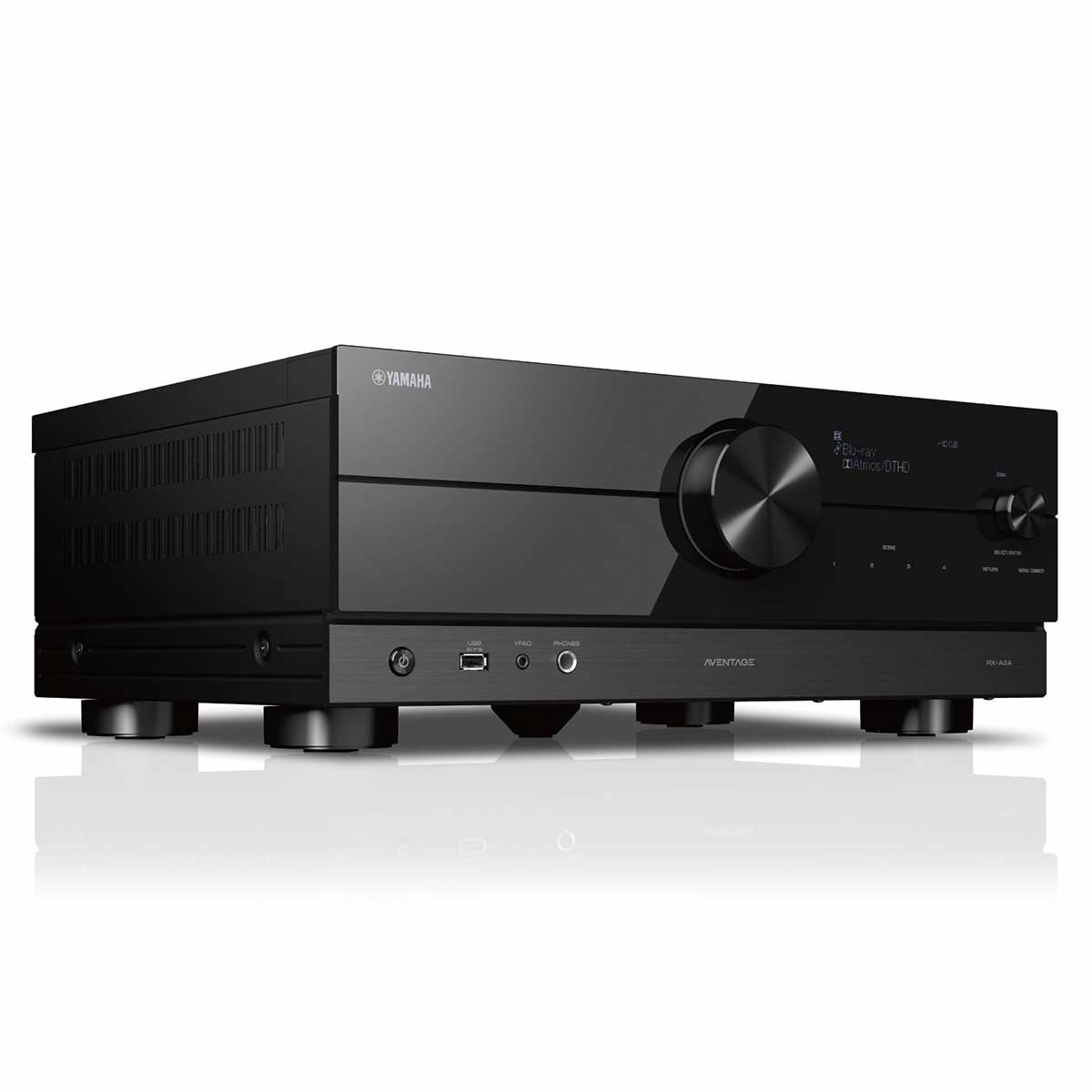
YPAO gets you to a solid baseline quickly, so movies sound clearer and music sounds more balanced without you having to become an acoustics expert.
And the “all-around” feature set is exactly what you want for real life. You get a phono input for vinyl, MusicCast for streaming and multi-room audio, Zone 2 output for a second space, and front left and right preouts that give you a realistic upgrade path later if you ever want to add a dedicated stereo amp.
One thing to keep in mind is pricing. Depending on where you shop and what week you catch it, the RX-A2A often sits a little over the $1,000 line at regular price, but it also pops up on sale right around that mark pretty often. And even when it’s slightly above, we still think it belongs in an under-$1,000 conversation because it genuinely feels like a step up in day-to-day ownership, not just a small spec bump on paper.
The Onkyo TX-RZ30 is the receiver you step into when you want true theater level performance without crossing into luxury pricing. With nine channels of amplification, you can build a full 5.2.4 Dolby Atmos system with four height speakers. This is the level where movies stop feeling like surround sound and start feeling like an actual cinema.
One of the biggest reasons the RZ30 stands out is Dirac Live room correction, which is included for free. That alone is a massive value at this price. Dirac Live is widely considered one of the most powerful room correction systems in the industry. It measures your room across the full frequency range and gives you far more precise control over how your speakers and subwoofers interact with your space. In rooms with reflections, uneven bass, or challenging layouts, it can dramatically improve clarity, imaging, and bass control. We also have a full step-by-step guide that walks you through exactly how to use Dirac properly, helping unlock the full potential of this receiver.
The other major headline feature is true dual discrete subwoofer support. The RZ30 is the only receiver in this group that gives you two fully independent subwoofer outputs. That means each subwoofer gets its own level control, distance setting, and EQ. You can time-align both subs properly and smooth bass response across the entire room instead of just one seat. If you plan to run dual subwoofers, this is a huge performance advantage and something you normally only see on far more expensive processors and receivers.
Build quality and system flexibility are also a big step up here. The amplifier section is more robust, the power supply is larger, and the sound stays composed and controlled even at higher listening levels. Power amp matrixing lets you reassign the internal amps for different speaker layouts or multi-zone use, and the full set of multichannel preamp outputs means you can easily add external amplification later as your system grows.
You also get the full modern feature set with HDMI 2.1 support for gaming and next generation sources, high end streaming support, and a built in phono section for vinyl playback. This is a receiver that can anchor a serious home theater today and still make sense years down the road.
If you want the most advanced room correction, true independent dual subwoofer control, full 9 channel Atmos capability, and the strongest overall performance you can get around $1,000, the RZ30 really is in a class of its own.
Choosing the right home theater receiver under $1,000 is all about matching the features that matter most to how you actually watch and listen. Some people want the easiest setup possible, others want the best gaming performance, and some want the deepest bass control with advanced room correction. The good news is that this price range now offers legitimate options for all of those priorities without sacrificing sound quality.
Every receiver in this guide supports modern surround formats, current video standards, and the connectivity you need for today’s TVs, game consoles, streaming devices, and turntables. Whether you are building your very first surround system or upgrading an older AVR that has been holding your system back, any of these models will deliver a clear step forward in immersion, clarity, and everyday usability.
If you would like help choosing the best receiver for your room size, speaker layout, and future upgrade plans, our team is always here to help. You can chat with us online, call one of our experts, or visit one of our showrooms to experience these receivers in person before you buy.
The first number is how many powered speaker channels the receiver can run (fronts, center, surrounds, and sometimes surround backs). The “.2” means it has two subwoofer outputs. It does not automatically mean those two subs are independently processed.
Not always. Many receivers have two sub outputs that are mirrored, meaning both jacks carry the same signal and share the same calibration. True independent dual sub control usually means separate level, distance, and EQ per sub, like what you get on the Onkyo TX-RZ30.
Even when the outputs are mirrored, running two subs can still be a big upgrade. You’re not getting two different bass tracks, but you can place the subs in different spots to reduce room nulls and even out bass across more seats. The receiver is simply sending one bass signal to both subs, and the improvement comes from better room coverage, not separate processing.
Mirrored sub outs are one signal split in two, and the receiver treats both subs like one during setup. Independently controlled dual sub outs still start with the same bass content, but the receiver can set each sub’s level, distance (delay), and EQ separately. That lets you time-align each sub and smooth bass more effectively across the room.
Power amp matrixing (often called amp assignment) lets the receiver reassign internal amp channels for different uses, like bi-amping front speakers or powering a second zone. If you want a simple 5.1.2 setup, you may never use it. If you want Zone 2 audio or plan to repurpose channels, it’s a nice feature.
Because brands quote power under different conditions. The most apples-to-apples comparison is usually 8 ohms, 20 Hz to 20 kHz, low THD, with 2 channels driven. A “6 ohms, 1 kHz” rating will often look higher on paper. Also, wattage matters less than speaker sensitivity, room size, and how cleanly the receiver delivers power.
Most people with normal speaker sensitivity in a small to mid-size room will be totally fine with these models. If you have large towers, a big open floor plan, or you like reference-level volume, stepping up to a model with a stronger power supply can help, and speaker choice becomes just as important as the receiver.
It helps, especially if you have multiple HDMI 2.1 sources (PS5, Xbox, gaming PC). If your receiver has limited HDMI 2.1 inputs, you can plug your console into the TV and send audio back to the receiver via eARC. The big win with a receiver that has multiple HDMI 2.1 inputs is convenience and clean switching.
Not yet for most systems. The real value today is that “8K capable” receivers typically also support the modern HDMI 2.1 features you actually use right now, like 4K120, VRR, and ALLM.
A lot, especially with dialogue clarity and bass smoothness. Even basic systems benefit. Audyssey can make a big improvement quickly. Dirac Live can take things further, especially if you want more control and you are using dual subs.
Look for a built-in phono input so you do not need a separate phono preamp. In this list, the Denon and Yamaha include phono, and the Onkyo does as well.
To run 5.1.4 you need nine powered channels. A 7-channel AVR cannot power four height speakers at once. That’s why a 9-channel model like the Onkyo is the step-up choice if four Atmos speakers are the goal.
Most modern AVRs support common streaming options like Bluetooth and often WiFi-based platforms (varies by brand). If streaming and multi-room audio matter, double check the specific platform support for the model you choose.
Start with the features you actually need (channels, HDMI 2.1, room correction, sub control, phono). Then choose based on how you use the system. Movies-first, gaming-first, music-first, or the best balance. In this price range, room correction and system flexibility usually make a bigger real-world difference than small wattage differences.
Yes. Audio Advice can help match the receiver to your room, speakers, and goals, and help with layout and setup so you get the performance you are paying for.
If you have further questions, contact our experts via chat, phone, or email. Or simply visit one of our world-class showrooms to experience speakers, projectors, TVs, and everything in between for yourself before you make a purchase!
If you’re planning your home theater or media room, check out our Home Theater Design page, where we have everything Home Theater related, including our FREE Home Theater Design Tool.
When you buy from Audio Advice, you’re buying from a trusted seller since 1978. We offer Free Shipping,*** Lifetime Expert Support***, and our Price Guarantee. We look forward to serving you!
You'll be among the first to know about product launches, exclusive online deals, and the hottest audio trends.
